Active Voice Projection
Detailed Explanation:
Active voice projection is the ability to use breath support, vocal placement, and resonance to speak with confidence and clarity. It allows a speaker’s voice to carry across a room without strain. Voice projection is essential for teachers, actors, public speakers, and professionals who need to command attention and ensure their message is heard.
Examples of Active Voice Projection:
A teacher projects their voice clearly across a large classroom.
An actor on stage using breath support to reach the audience without a microphone.
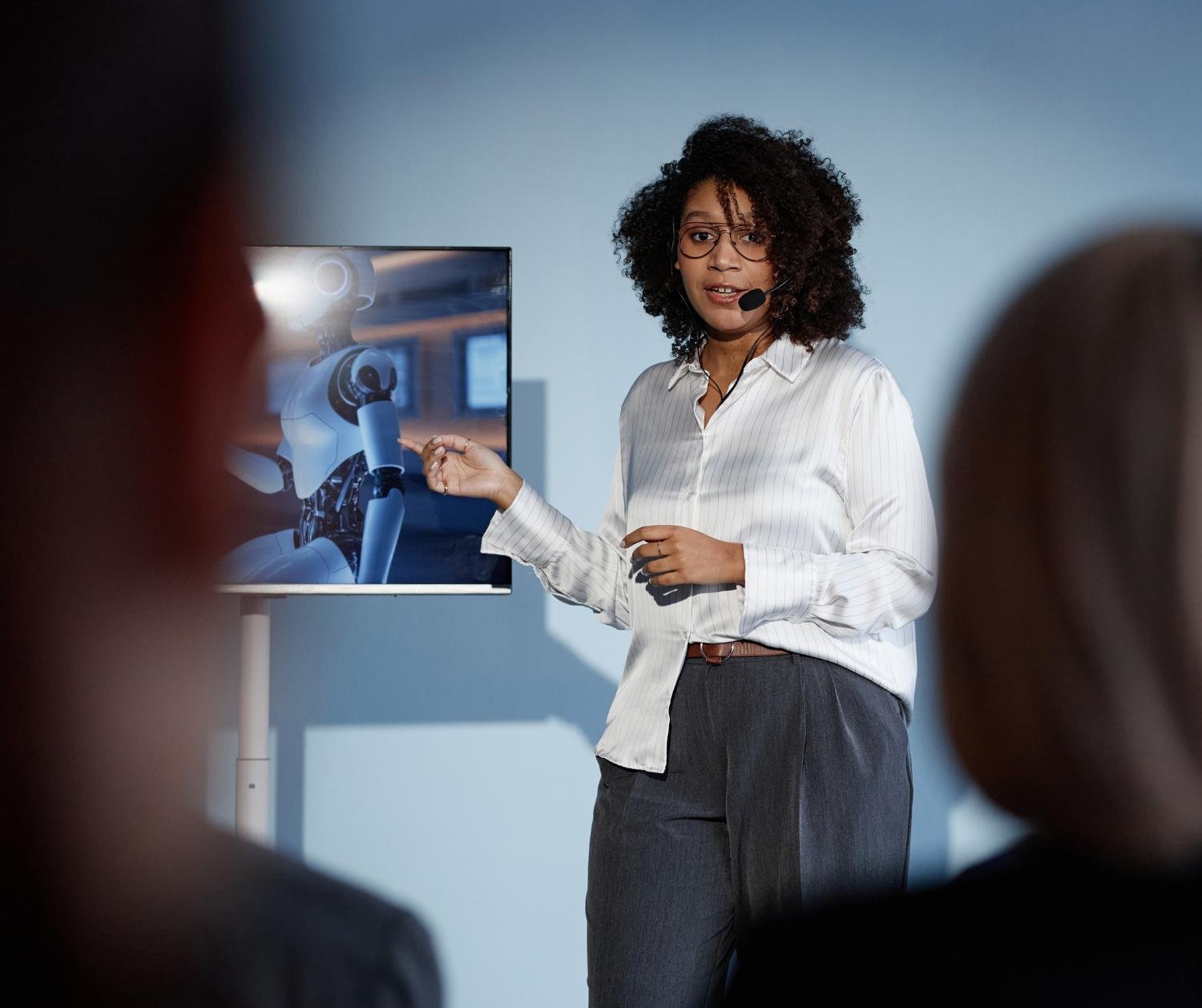
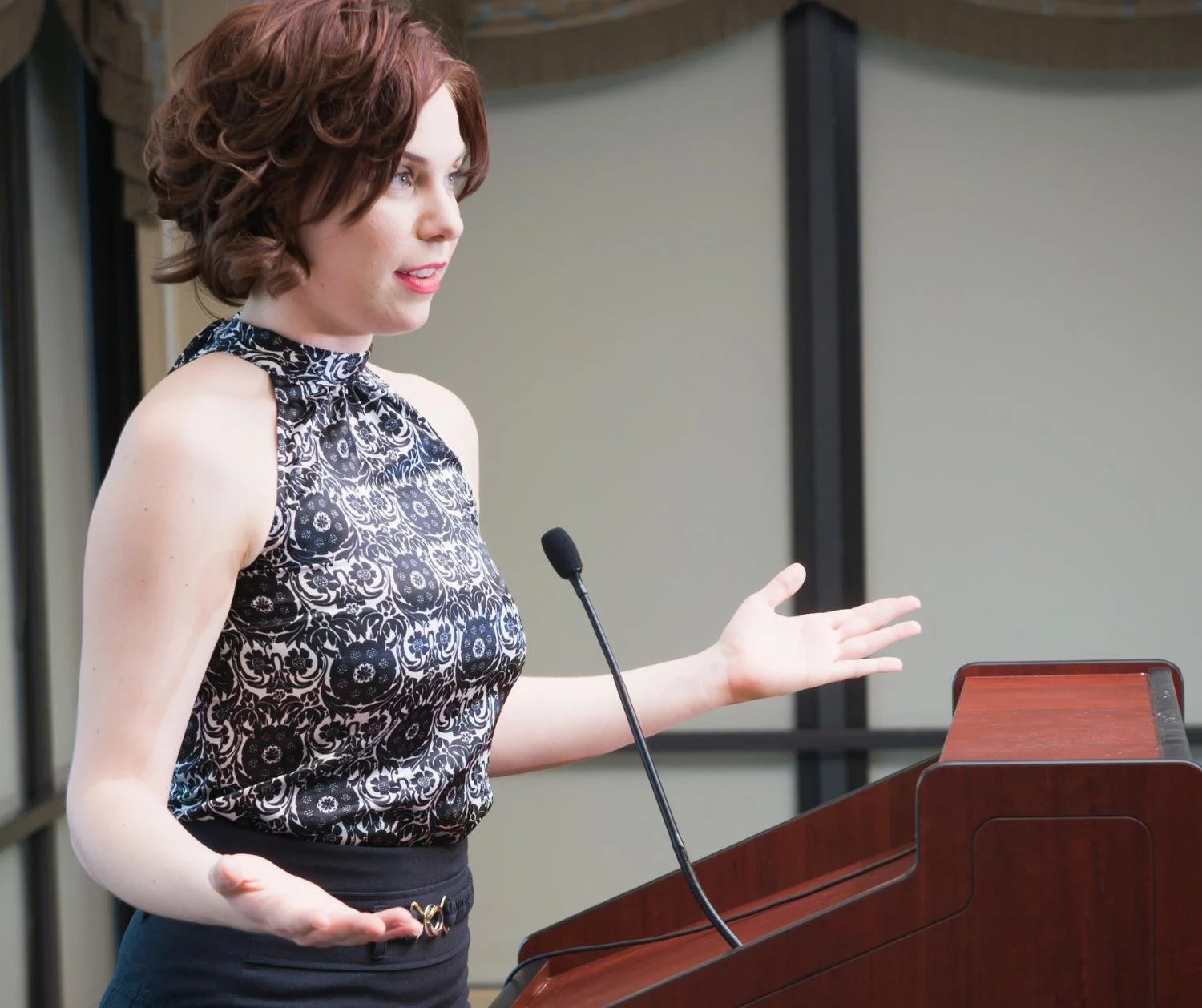
A business leader projecting confidence during a presentation.
How Active Voice Projection Works
Active voice projection starts with breath support. When you breathe from your diaphragm rather than your chest, you create a steady airflow that powers your voice without forcing it. Shallow breathing limits volume and control, which is why many people strain or lose clarity when they try to speak louder in a large room.
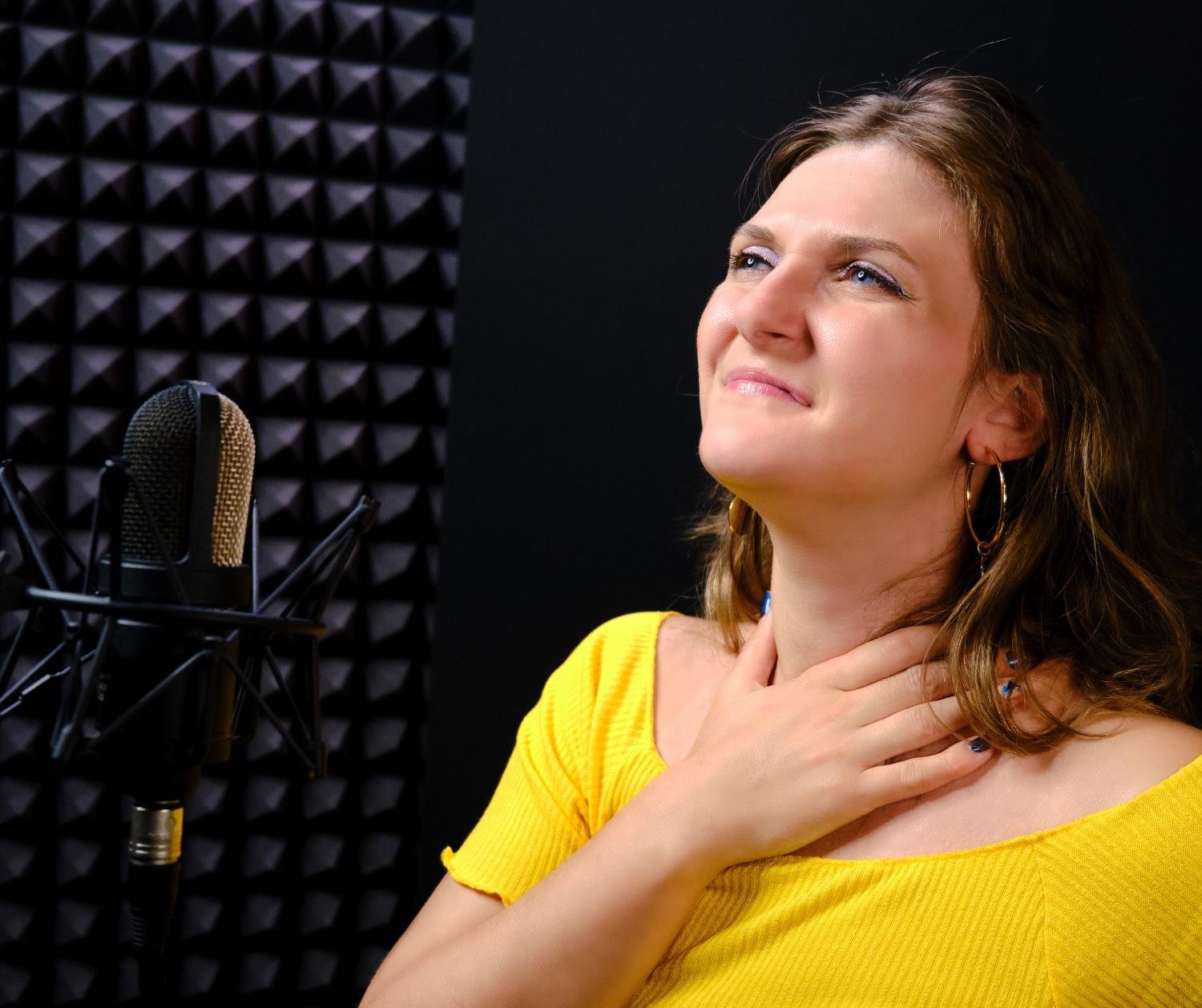
Vocal placement also plays a central role. Placing your voice forward in your mouth, near the front of your palate, helps the sound resonate more efficiently. When sound resonates well, it carries further with less effort. Many speakers unknowingly hold tension in their throat or jaw, which traps the sound and makes projection feel like a struggle. Releasing that tension allows the voice to travel naturally.
Posture supports both breath and resonance. Standing or sitting upright opens the chest and allows the diaphragm to move freely. Slouching compresses the lungs and restricts airflow, which directly affects volume and vocal quality.
Active voice projection is not the same as speaking loudly. Volume alone does not guarantee clarity, and pushing harder often leads to vocal fatigue or strain over time. Projection is about efficiency: using your body's natural resonance to amplify your voice so it reaches every listener in the room without wearing you out. Teachers, presenters, coaches, and anyone who speaks to groups regularly benefit from developing these skills. With consistent practice, projection becomes automatic rather than something you have to think about in the moment.
Related Terms:
Voice Training
Breath Support
Frequently Asked Questions About Active Voice Projection:
What is active voice projection?
It’s the skill of speaking clearly and loudly enough to be heard without straining the voice.Who needs this skill?
Teachers, speakers, actors, leaders, and anyone who regularly addresses groups.How can I improve voice projection?
With exercises in breath control, posture, and vocal placement.Does projection damage the voice?
No, when done correctly with proper breath support, it actually protects the voice.Is voice projection the same as speaking loudly?
No, it’s about using resonance and control, not shouting.Can poor posture affect voice projection?
Yes. Slouching or hunching compresses the lungs and limits diaphragm movement, which reduces the airflow available to power your voice. Standing or sitting upright allows for deeper breathing and better resonance, both of which are essential for projecting clearly without strain.
Connected Speech Pathology Articles about Active Voice Projection