You can take voice acting lessons online through private coaching, group classes, or recorded courses. Lessons cover skills such as reading scripts, developing character voices, using a microphone, and preparing for auditions. In live sessions, a coach can give you feedback on your performance and help you identify areas to improve.
If you enjoy performing or have been told you have a good voice, you might be interested in trying voice acting. But finding classes or experienced coaches nearby isn't always easy. Online training gives you access to instructors from different locations, with options to fit your schedule and budget. With choices ranging from inexpensive recorded courses to private coaching, it can be difficult to decide where to start and what's worth paying for.
In this article, you'll learn how online voice acting lessons work, what they teach, how to choose a class or coach, what equipment you need at home, and when to consider making a demo reel.
Key Takeaways
What online lessons cover: Online voice acting lessons cover acting, script reading, character voices, and microphone skills through private coaching, group classes, or recorded courses.
How the lesson formats differ: Private lessons offer one-on-one feedback, group classes let you practice with other students, and recorded courses let you learn at your own pace.
What you need at home: You can start with a quiet space, a computer, and a microphone. Some lessons also require headphones and audio software.
How to choose a coach: Look for experience in the kind of voice work you want, specific feedback on your reads, and no pressure to buy a demo reel before you are ready.
What Are Online Voice Acting Lessons?
How Do You Choose the Best Voice Acting Classes?
What Do Voice Acting Lessons Teach?
What Happens in a Live Online Voice Acting Lesson?
How Do You Start Working as a Voice Actor After Lessons?
What We See Working with Clients
What Are Online Voice Acting Lessons?
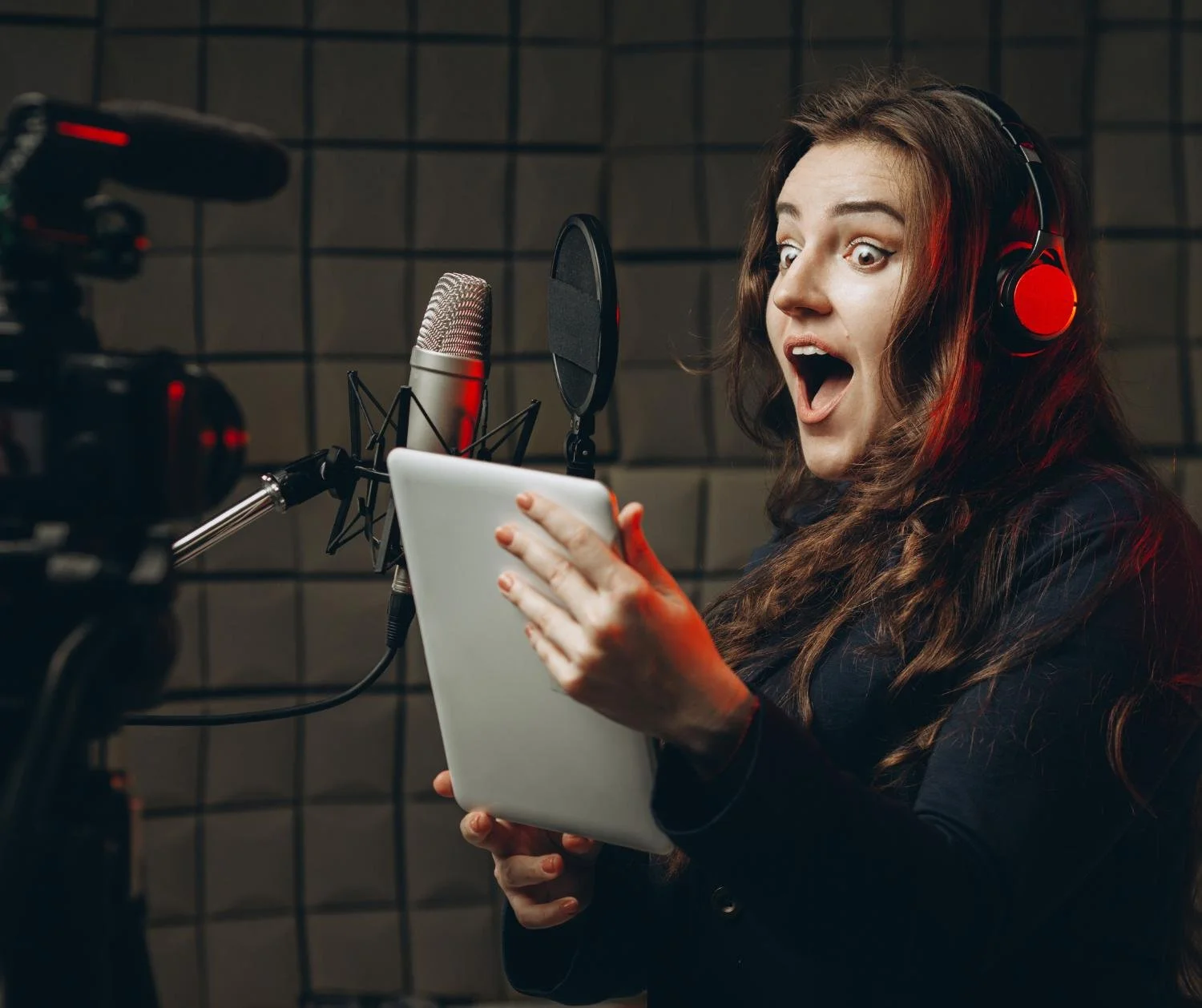
Online voice acting lessons teach you to perform scripts for animation, video games, commercials, audiobooks, and narration from home. In a live lesson, a coach gives you feedback on your reads as you work. With a recorded course, you watch the lessons and practice on your own.
Can You Learn Voice Acting Online?
You can learn many voice acting skills online, especially when a coach listens to your performance and gives you live feedback. Online classes give you access to coaches worldwide without travel. These classes can also fit more easily around a day job.
Some voice over training includes recording practice. Many voice actors record auditions and projects at home, so practicing in your own home studio helps you build the recording skills you'll use for paid work. A coach can hear your recordings and help with issues like room echo.
Online lessons aren't the right fit for everyone. Some people learn better in a room with a teacher and other actors, and training can also take the form of in-person workshops. If you're not sure, try one live online lesson to see whether the feedback helps.
Who Are Voice Acting Classes For?
Online voice acting courses are available for all skill levels, from beginners who have never read a script to working actors. Many successful voice actors keep training throughout their careers. You don't need to attend acting school or have a professional voice to start.
People take these classes for different reasons, and for some, they're simply a fun way to try something new.
Beginners: Adults who want to find out whether voice work suits them.
Actors: Stage and screen actors adding animation and video game work.
Working voice talent: Professionals moving into a new genre, such as a commercial voice actor who wants to narrate audiobooks.
Content creators: Podcasters, YouTubers, and others who record their own voice.
Presenters and teachers: People who want more vocal variety. If your main goal is to speak better in meetings and presentations, communication coaching is usually a closer fit.
How Do You Choose the Best Voice Acting Classes?
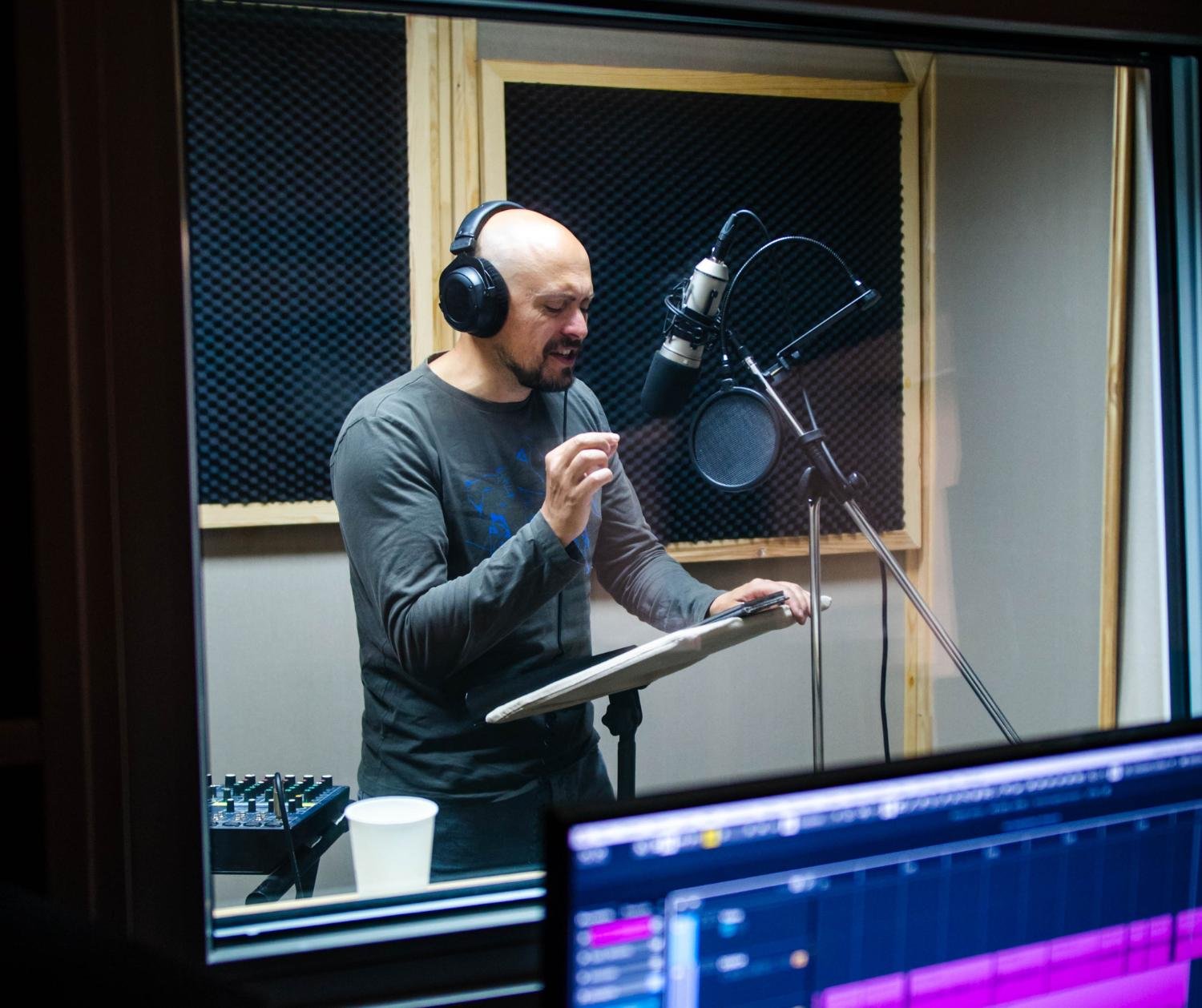
The best voice acting classes fit your goals, budget, and how much coaching you want. If you are new, a recorded course or group class can teach the basics at a lower cost. If you want someone to listen to your reads and tell you what to change, start with private lessons.
| Format | What you get | Best for | Trade-off |
|---|---|---|---|
| Private lessons | One-on-one coaching and a plan built around your goals | Anyone who wants direct feedback on their reads | Usually the highest cost |
| Group classes | Live practice with original scripts and reactions from an instructor and other students | Learners who enjoy working with others | Less individual time |
| Live webinars and seminars | Focused teaching on one topic, often with live Q&A | Learning a specific skill or meeting other actors | Little feedback on your own reads |
| On-demand courses | Recorded lessons you can watch at your own pace | Learning the basics at a lower cost | No one listens to your reads |
| Connected Speech Pathology | connectedspeechpathology.com | |||
Private Lessons
Private lessons are one-on-one sessions with a voice acting coach. A coach helps you see what you're doing well and what needs work, then adjusts lessons to fit your goals.
These lessons usually cost the most because you have the coach's full attention. Rates vary widely, so ask about the cost before you book.
Group Classes
Group classes let you perform for an instructor and other students, then hear their reactions to your reads. Some classes use original scripts for practice, giving you a chance to work with material that is new to you.
Live Webinars and Seminars
Live webinars and seminars often focus on one topic, such as auditions or audiobook narration. Many let you join a live Q&A where the instructor can answer your questions. In a short event, you often have little time to get feedback on your performance.
On-Demand Courses
On-demand courses and other independent study materials let you learn at your own pace, and many are low-cost or free. A recorded course can explain pacing, but it can't listen to your reading and tell you where you rushed. Many beginners find a course helpful for the basics, then add private lessons later.
What to Look for in a Coach
Before you join a class or book your first lesson, consider these points.
Experience in your genre: Audiobook narration and game work call for different skills, so ask what the coach has done and taught.
Specific feedback: A good coach tells you what to change in a read and why, instead of only saying it sounded good.
Time spent performing: Ask how much of each lesson you will spend reading and getting direction.
Knowledge of how the voice works: Ask how the coach handles character work that feels tiring or tight.
No pressure or promises: Be careful if a program promises paid work or pushes you to buy a demo reel in your first few lessons.

Voice Over Coaching
Learn what a voice over coach works on in sessions and how coaching compares with classes and self-study.
What Do Voice Acting Lessons Teach?
Voice acting lessons teach both performance and technical skills, with acting as the main focus. Many coaches start with acting basics before more advanced topics. A comprehensive introductory course also covers recording skills.
Acting Fundamentals
Acting fundamentals include knowing who your character is, what they want, and who they are talking to. Listeners hear only the voice actor's performance, so lessons focus on making the character's choices clear through speech. A coach can have you play a scene in multiple ways so you hear how each choice changes the read.
Script Interpretation and Emotional Delivery
Script interpretation means understanding what a script is saying, who is speaking, and what they want to achieve. You learn what words to stress, how to vary your voice inflection, and how to show emotion as you speak.
You also practice different styles of voice acting. For example, a car ad, a kid character in a cartoon, and narration for a training video all call for different reads.
Character Voices
To develop character voices, you practice expressing different emotions and personalities. A coach can help you create voices you can repeat, whether the work is anime voice acting or video game roles.
Long sessions of screaming or creature sounds can strain your voice. SAG-AFTRA, the performers' union, has raised concerns about vocal stress in this kind of video game work. Training can teach you to recognize signs of fatigue and know when to take a break during demanding sessions.
Vocal Technique
Vocal technique includes breath support, clear speech, pitch, and pacing. It can also include warm-ups, ways to reduce vocal strain, and breaks during long recording days. Some of these skills overlap with singing and with professional voice coaching for people who talk for a living.
Microphone Technique and Auditions
Online classes often teach proper microphone technique and home studio setup. You learn how far to stay from the microphone, how to avoid harsh breath sounds, and how to record, edit, and send a clean audio file. Some lessons also teach you to record auditions at home and send them in by a set deadline.
The Business of Voice Acting
Working as a voice actor also involves running a business. Many classes cover industry basics, such as setting rates, marketing yourself, and finding auditions. Some acting schools also explain how production companies hire voice actors and what casting directors look for.
What Happens in a Live Online Voice Acting Lesson?

A live online session usually moves from a warm-up to script reading and feedback. Your coach listens to a read, gives you one direction, such as slowing down or talking to a single listener, and has you read it again. Getting immediate feedback and trying a new approach are among the main benefits of live lessons.
In a first lesson, expect questions about your experience, the kind of voice work you want, and how you practice now. Your coach can then hear you read a short script and decide what to work on first.
Short daily practice sessions can help build voice acting skills, and your coach can suggest what to work on between lessons. Many students record themselves and listen back, which helps them notice problems, such as rushing or a flat tone.
What You Need Before Your First Lesson
To begin, you need a quiet space, a computer, a working microphone, and a steady internet connection. Some lessons also require headphones and audio software. You don't need a professional recording studio, and your coach can tell you what to upgrade later.
A quiet workspace: Choose a small room for your home studio, away from traffic and household noise. Soft items, such as blankets and clothes, can reduce echo.
A microphone: A USB microphone is often enough to start, and some actors later switch to an XLR microphone, which connects to a computer through a small box called an audio interface.
Headphones: Closed-back headphones that seal around your ears let you hear your recordings with less sound leaking into your microphone.
Audio software: Free programs, such as Audacity, let you record and edit audio and reduce background noise.
A steady internet connection: Live lessons depend on clear sound. Some online meeting apps change how your voice sounds, so ask your coach what audio settings to use.
How Do You Start Working as a Voice Actor After Lessons?

To start working as a voice actor, many people audition, build contacts, and eventually make a demo reel.
When to Make a Demo Reel
A professional demo reel is a short collection of recordings that shows your unique voice and acting ability. It can help you stand out in auditions and find more job opportunities, but it's best to create one after voice acting classes, once you can perform several styles well and consistently. If you make a reel before you're ready, you can end up paying to record a new one as your skills improve.
Auditions and Gigs
Online casting services, such as Voices.com and Backstage, list auditions for voice talent. Agents can also help voice actors find professional voice work. Once you have an audition script, an acting audition coach can help you make choices and prepare your read.
No lesson can promise jobs or success, and landing steady work can be difficult. Early gigs vary in pay, and many voice actors keep other jobs while building their careers.
Networking and Community
Networking can help you meet other voice actors and industry professionals, learn about auditions, and get feedback on your performances. You can join local meetup groups or private Facebook communities to ask questions and discuss voice acting with other members. Voice acting communities often host live digital events, and seminars and in-person workshops offer more ways to connect.
What We See Working with Clients
We coach adults who want to act with their voice, from beginners working around a day job to actors adding voice work. The examples below are based on real clients we have worked with. Identifying details have been changed to protect privacy.
One client was a project manager who had done community theater for years and wanted to try voice acting as a side job. After finishing a recorded course, she submitted a few auditions but sounded stiff when reading commercial scripts. She heard nothing back and started wondering whether to keep trying.
In live online sessions, we worked on deciding who she was talking to, marking the words that mattered, and slowing her pace. We also practiced with her own microphone so she could hear how her reads came across in a recording. She became more comfortable making choices in a read and more confident sending auditions.
Another client was a stage actor who wanted to work in animation and games. His character voices sounded good, but the loud ones left his voice tired after a few hours of practice, and he worried about longer recording sessions.
We worked on building characters through personality and emotion rather than force, along with breath support and planned breaks. He reported that his voice felt less tired after recording, and he found it easier to keep each character consistent.
Frequently Asked Questions About Voice Acting Lessons

1. Can beginners take voice acting classes online?
Yes. Beginners can take voice acting classes online, even without acting experience or formal education. Courses are available for all skill levels and career stages, and many start with the basics of acting.
2. How long does it take to learn voice acting online?
How long it takes to learn voice acting online varies from person to person. It depends on your starting point, how often you practice, and the kind of work you want. Ask your coach what progress looks like for your goal.
3. Are online voice acting lessons worth it?
Live online lessons can be worth it if you want feedback on your reads. Recorded courses can teach the basics, but they can't respond to your own reads. Start with a clear goal, and try one lesson before you commit to more.
4. Do you need a demo reel before taking lessons?
No. You don't need a demo reel before you take lessons. Many coaches suggest waiting until you can perform several styles well and consistently.
5. Can character voices hurt your voice?
Yes. Loud or harsh character voices can strain your voice, and a coach with training in vocal health can help you use less effort and take breaks during demanding voice work. Persistent hoarseness or throat pain should be checked by an ear, nose, and throat doctor, and depending on the cause, online voice therapy can help improve how you use your voice.
How Connected Speech Pathology Can Help

Connected Speech Pathology helps adults build acting, script-reading, and vocal skills through live online sessions. Our voice and performance coaching team has real-world experience in voice acting and performance. Most of our coaches also have graduate-level training in speech-language pathology, giving them specialized knowledge of how the voice works and what can lead to vocal strain.
Because we work online, you practice real scripts with your coach, using your own microphone and recording space. Coaching can focus on character voices, narration, commercial reads, auditions, or the stamina you need for long recording days.
Summary
With online voice acting lessons, you can learn acting, script reading, character voices, and microphone skills from home. Options include private lessons, group classes, and recorded courses. Private lessons offer personal feedback, while on-demand courses are often a lower-cost way to learn the basics.
Start with a quiet space and a reliable microphone, and choose a coach with experience in the work you want. Wait until you can perform several styles well and consistently before paying for a demo reel.

About the Author
Allison Geller, M.A., CCC-SLP, is a communication coach, speech-language pathologist, and founder of Connected Speech Pathology, an international online practice providing professional communication coaching and speech therapy for children, teens, and adults. With more than two decades of experience, she has worked in medical and educational settings and published research on aphasia. Today, she leads a team of specialists who help clients improve their skills in public speaking, vocal presence, accent clarity, articulation, language, fluency, and interpersonal communication.