How to Avoid Straining Your Voice When Singing

Singing should feel natural and enjoyable, yet many people notice that their throats hurt or their voices feel tired after singing. Vocal strain can happen when the body, breath, and voice do not work together in a balanced way. Learning how the voice works and using healthy singing habits helps protect the vocal cords and keeps your sound clear and comfortable.
Many adults sing in choirs, perform at events, or simply enjoy singing songs at home. Without proper technique, singing for extended periods can lead to vocal fatigue, muscle tension, or a raspy tone. This guide explains how to avoid straining your voice when singing, so it stays healthy and strong.
Key Takeaways
Healthy singing starts with proper breath support. Using the breath and stomach muscles helps the vocal cords produce sound with less effort.
Good posture and a relaxed body reduce vocal strain. A relaxed neck, jaw, and tongue help the voice resonate more easily.
Hydration and vocal rest protect the vocal folds. Drinking water and taking vocal naps help reduce irritation and vocal fatigue.
Regular vocal exercises strengthen voice production. Simple warm-ups help singers reach high notes and low notes without straining.
Why Vocal Strain Happens During Singing
Proper Breath Support to Sing High Without Straining
The Role of Good Posture in Healthy Singing
Stay Hydrated to Protect Your Vocal Cords
Vocal Exercises That Reduce Vocal Fatigue
Signs of Vocal Strain and Possible Voice Disorders
Habits That Help You Avoid Vocal Strain When Singing
Frequently Asked Questions About Straining Your Voice When Singing
Why Vocal Strain Happens During Singing

Vocal strain happens when the muscles around the voice box work too hard to produce sound. The vocal cords, also called vocal folds, vibrate inside the larynx when air passes through them. If the throat muscles tighten or build up tension, the voice must push harder to produce sound.
Many singers try to push their voice beyond their comfort zone to reach high notes. This effort increases pressure in the throat and may cause throat pain. Over time, this strain may lead to vocal fatigue, a raspy voice, or reduced vocal range.
The entire body contributes to healthy voice production. Poor posture and shallow breathing can make the voice work harder. Balanced technique helps the voice resonate and produce sound with less effort.
Proper Breath Support to Sing High Without Straining
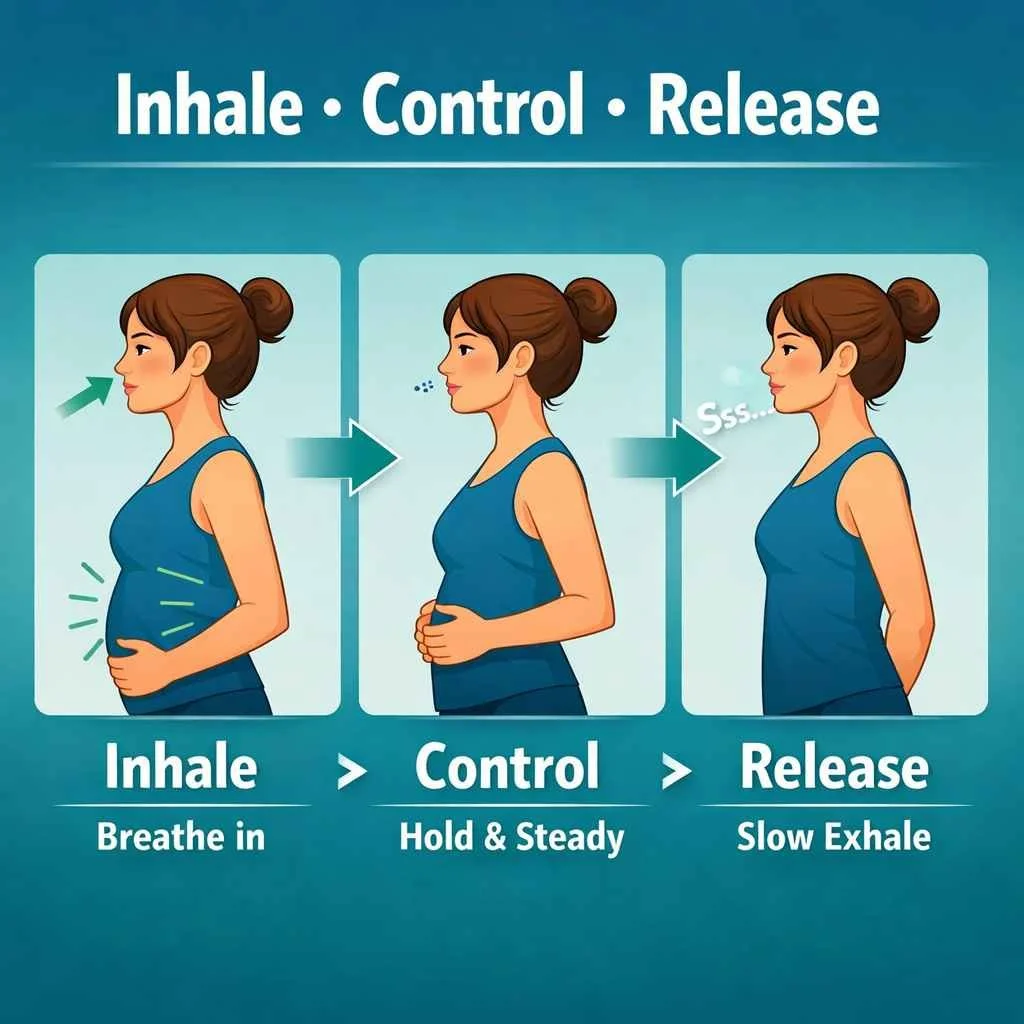
Proper breath support is one of the most effective ways to avoid vocal strain. Singing should rely on controlled breathing from the stomach rather than shallow chest breathing. This type of breathing gives the vocal cords steady airflow and support.
When singers inhale deeply, the stomach expands while the shoulders stay relaxed. This breathing method allows the vocal folds to vibrate freely and produce sound clearly. The voice resonates more easily when airflow remains steady.
Breath support also helps singers sing high notes without pushing the throat. High notes require consistent air pressure rather than extra muscle tension. Strong breathing control helps singers maintain pitch and tone without straining.
Simple Breathing Exercises for Singers
Breathing exercises strengthen the muscles used for singing. Regular practice builds control and helps the voice produce sound smoothly.
A simple exercise involves slow inhalation through the nose followed by a controlled exhale on a soft “sss” sound. This activity trains steady airflow and reduces tension in the throat muscles. Gentle humming is another warm-up that prepares the vocal cords for singing.
The Role of Good Posture in Healthy Singing

Good posture helps the lungs, neck, and throat work together during singing. Standing or sitting with the spine tall allows the lungs to expand fully. This posture improves breath support and voice production.
Poor posture compresses the chest and neck muscles. Tight muscles increase pressure on the larynx and vocal cords. Over time, this pressure may cause vocal fatigue or strain.
Singers benefit from keeping their shoulders relaxed and their heads balanced over their necks. This alignment helps keep the larynx relaxed and allows sound to resonate naturally.
Stay Hydrated to Protect Your Vocal Cords
Hydration keeps the vocal folds flexible and healthy. Drinking water helps the vocal cords vibrate smoothly and reduces irritation. Dry vocal folds require more effort to produce sound.
Most singers benefit from drinking water throughout the day. Warm beverages may soothe the throat during long rehearsals or performances. Caffeine and alcohol may dry the voice, so moderation supports vocal health.
Nutrition also supports a healthy voice. Foods such as fruits, vegetables, and whole grains support energy for the entire body. A balanced diet helps singers maintain stamina during extended periods of singing.
Vocal Exercises That Reduce Vocal Fatigue

Regular vocal exercises strengthen the muscles involved in voice production. Warm-ups prepare the vocal cords for singing and reduce the risk of vocal strain. Gentle exercises also improve tone and pitch control.
Lip trills and humming are common warm-up exercises. These activities help the voice resonate while keeping the larynx relaxed. They also reduce built-up tension in the tongue and throat.
Singers often practice scales to expand their vocal range. Gradually moving between low notes and high notes improves flexibility. Regular exercise helps singers perform songs without straining.
Vocal Naps and Vocal Rest for Vocal Fatigue
Vocal rest protects the voice after heavy use. Short breaks called vocal naps give the vocal cords time to recover. Even a few minutes of quiet rest can reduce vocal fatigue.
Singers who rehearse or perform for long periods benefit from regular breaks. Avoid whispering during vocal rest, as it can increase strain. Calm breathing and silence help the voice recover.
Longer vocal rest may help if the throat hurts, the voice cracks, or sounds raspy. Persistent discomfort may signal vocal strain or voice disorders.
Signs of Vocal Strain and Possible Voice Disorders

The body sends signals when the voice is under stress. Recognizing these signals early helps singers stop straining before damage develops. When those signals persist, a singing voice specialist can assess the injury and build a recovery plan around it.
Common signs include throat pain, hoarseness, and vocal fatigue. Some singers notice that their throats hurt when they try to sing high or hold notes for extended periods. Others hear a raspy sound or feel tightness in the neck and throat muscles.
Pain during singing should never be ignored. If you feel pain or notice your voice sounds weak or tired, stop singing and rest your voice. Early care protects the vocal cords and supports a healthy voice.
If strain persists beyond rest, singing voice therapy with a licensed speech-language pathologist is the next step.

What are Voice Disorders?
Check out our blog about voice disorders for more information!
Habits That Help You Avoid Vocal Strain When Singing

Daily habits play a large role in protecting the voice. Healthy routines help singers produce sound more easily.
Singers benefit from warming up before singing and cooling down afterward. Vocal exercises prepare the vocal cords to move smoothly between low and high notes. These habits help the voice work efficiently with less effort.
Stress also affects the voice. Built-up tension in the neck, jaw, and tongue may make the throat muscles tighten during singing. Relaxation, steady breathing, and good posture help the voice resonate clearly.
Sleep and hydration also influence vocal performance. A tired body often produces a tired voice. Rest, hydration, and balanced breathing help singers maintain vocal power during extended periods of singing.
Frequently Asked Questions About Straining Your Voice When Singing

1. Why does my throat hurt after singing?
Throat pain after singing usually indicates vocal strain or muscle tension. Excess pressure on the vocal cords often occurs when singers push for high notes or sing without proper breath support. Dehydration and fatigue may increase irritation in the vocal folds. Vocal rest and hydration often help the voice recover.
2. How can I sing high notes without straining my voice?
Singing high notes without strain requires steady breath support and a relaxed throat. Airflow from the diaphragm helps the vocal cords vibrate without extra pressure. Good posture and gentle vocal exercises also help expand vocal range. Gradual practice improves pitch control and tone.
3. What are vocal naps, and why are they helpful?
Vocal naps are short periods of voice rest that help the vocal cords recover. These breaks reduce built-up tension and allow the vocal folds to return to a relaxed state. Singers often use vocal naps during rehearsals or long performances. Even five to ten minutes of rest can reduce vocal fatigue.
4. Can vocal strain cause long-term voice problems?
Repeated vocal strain may lead to voice disorders or vocal cord injury. Long-term strain may cause swelling, nodules, or vocal scarring in severe cases. Early care protects the vocal cords and preserves vocal range. Speech therapy with a trained professional may help restore healthy voice production.
5. How much water should singers drink to protect their voice?
Most singers benefit from drinking water consistently throughout the day to stay hydrated. Hydration keeps the vocal folds lubricated and flexible. Many voice professionals recommend about eight glasses of water daily, though needs vary. Extra hydration may help during long rehearsals or performances.
How Connected Speech Pathology Can Help

Singers and public speakers often need professional guidance to protect their voice. At Connected Speech Pathology, we provide online voice therapy that helps people improve voice production and avoid vocal strain. Our speech-language pathologists evaluate how the vocal cords, breathing, and posture work together during speaking and singing.
We teach practical strategies that support healthy vocal habits. These may include vocal exercises, breath support training, and techniques that reduce muscle tension in the throat and neck. Our voice therapists also help individuals recover from vocal fatigue and other voice disorders.
Our online services make speech therapy accessible from home. Adults can meet with experienced speech-language pathologists through secure video sessions. This approach helps singers strengthen their voice and protect long-term vocal health.
Summary
Learning how to avoid straining your voice when singing protects the vocal cords and improves sound quality. Healthy breath support, hydration, posture, and vocal exercises help the voice produce sound with less effort.
Listening to signs of fatigue and taking vocal rest helps prevent long-term voice problems. With consistent habits, singers can maintain a strong and comfortable voice for many years.

About the Author
Allison Geller is a communication coach, speech-language pathologist, and founder of Connected Speech Pathology, an international online practice providing professional communication coaching and speech therapy for children, teens, and adults. With more than two decades of experience, she has worked in medical and educational settings, published research on aphasia, and leads a team of specialists helping clients improve skills in public speaking, vocal presence, accent clarity, articulation, language, fluency, and interpersonal communication.