Interview Coaching
Detailed Explanation:
Interview coaching prepares job candidates and professionals for interviews through practice, feedback, and strategy development. Coaching covers answering behavioral and technical questions, structuring responses (such as the STAR method), nonverbal presence, and tailoring messaging to a role or company. It helps reduce anxiety, frame experiences persuasively, and improve overall interview performance.
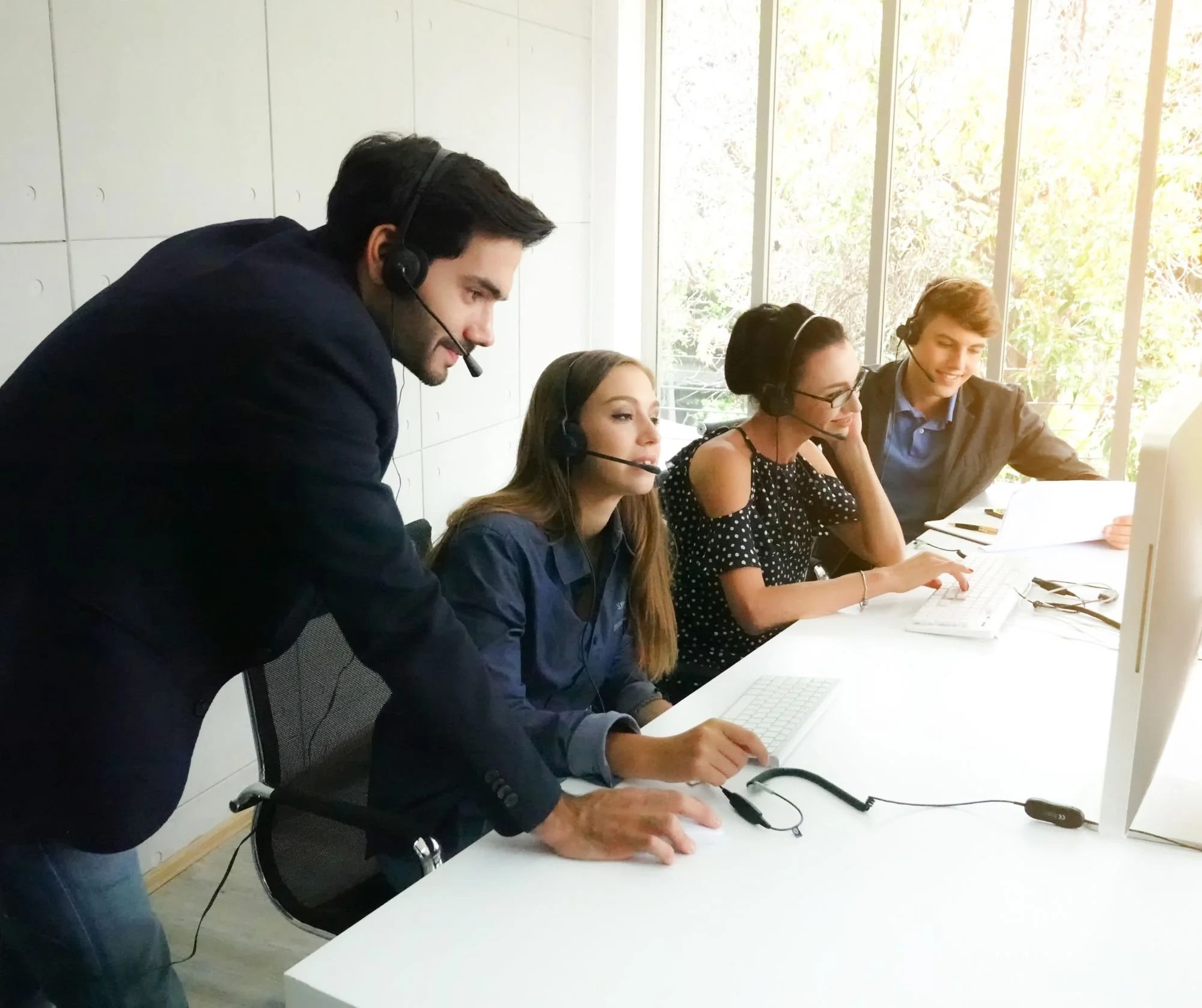
Interview coaching helps a range of people, including job seekers, career changers, professionals returning to work, and non-native English speakers who want clearer, more confident delivery. A typical session uses mock interviews and recorded practice, with feedback on both what is said and how it is said, including pacing, clarity, eye contact, and body language.
Coaches also help candidates prepare concise answers to common questions and manage nervousness. The goal is for candidates to feel prepared rather than scripted.
What Interview Coaching Covers
Interview coaching usually goes beyond rehearsing answers. A coach may help you present your experience clearly, structure responses so they are easy to follow, manage nerves, and improve how you come across through tone, pacing, and body language. Many people also work on reducing filler words and on speaking with more confidence under pressure.
Common Techniques
Coaches often use mock interviews that mirror a real interview, followed by specific feedback on what worked and what to adjust. A widely used tool is the STAR method (Situation, Task, Action, Result), which gives a simple structure for answering behavioral questions like “Tell me about a time when…” Sessions may also include preparing answers to common questions, refining your professional story, and practicing how to talk about strengths and weaknesses.
Who It Helps
Interview coaching can help new graduates, people returning to work, career changers, and experienced professionals preparing for senior roles. It is also useful for anyone who knows their material but freezes, rushes, or loses their train of thought when the pressure is on.
If Speaking Under Pressure Is the Real Challenge
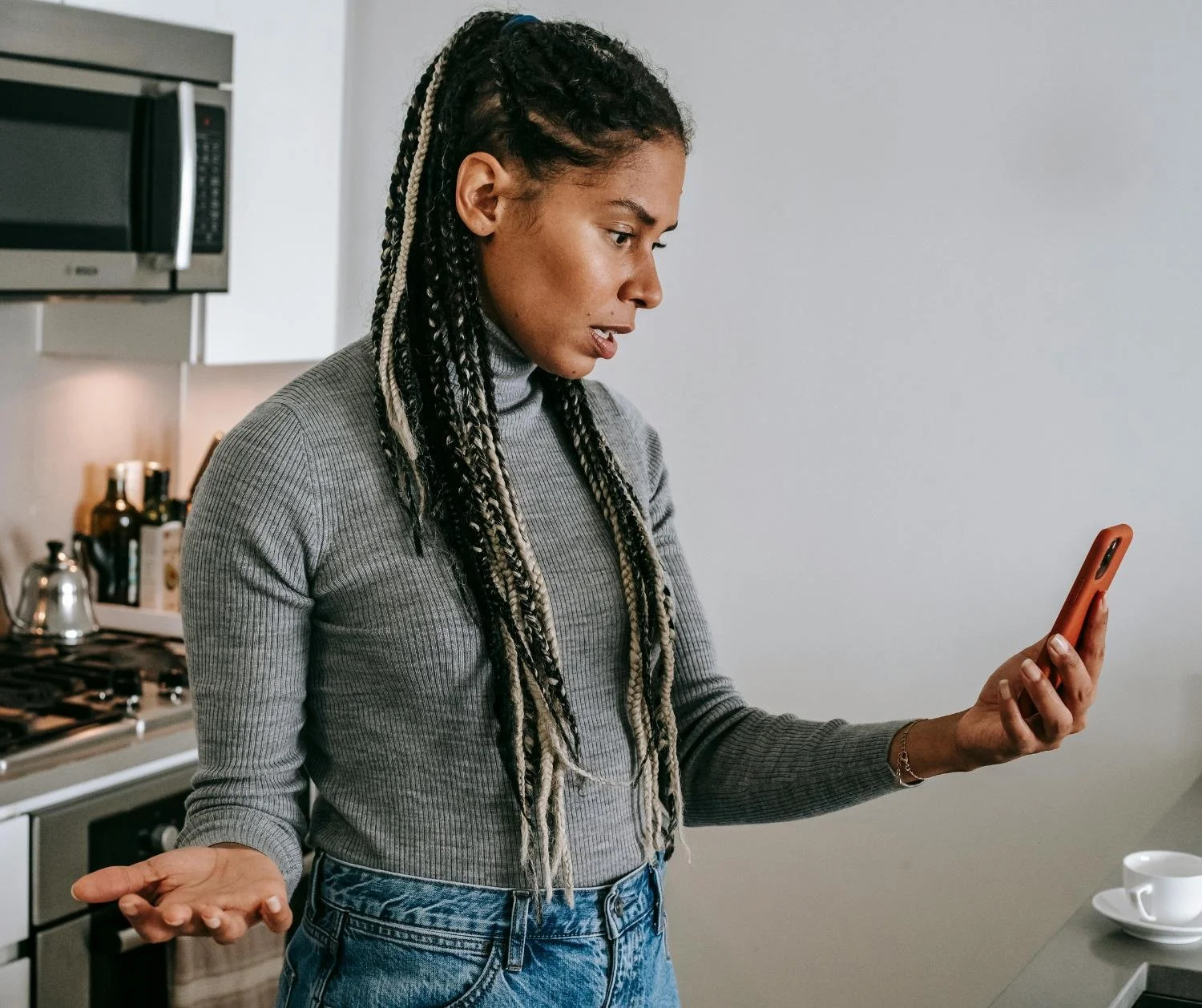
For some people, the hardest part is not the answers but the anxiety of being watched and judged. Working on that fear of speaking in front of others directly, through practice and structure, often does more than memorizing responses.
Examples of Interview Coaching:
A candidate practices behavioral interview questions and refines concise storytelling to highlight achievements.
A professional rehearses responses for a leadership interview and polishes body language and vocal tone.
A recent graduate receives coaching on common pitfalls and how to present transferable skills confidently.
Related Terms:
Resume and LinkedIn Optimization
Mock Interviews
Frequently Asked Questions About Interview Coaching:
What should I expect from interview coaching?
You’ll get mock interviews, tailored feedback, messaging refinement, and strategies for common question types and challenging scenarios.Who benefits from coaching?
Job seekers at any level, career changers, and executives preparing for high-level interviews all benefit.How many sessions do people usually need?
Some clients see improvement after one or two focused sessions; more complex preparation may require multiple sessions.Is virtual coaching effective?
Yes, virtual coaching with video review is highly effective and convenient for practice.Can coaching help with negotiation after the interview?
Many coaches offer guidance on salary negotiation and post-offer communication as part of preparation.
Connected Speech Pathology Articles about Interview Coaching