How to Find a Speech Pathologist: Your Comprehensive Guide

Finding a speech pathologist starts with finding someone who has the right experience for your specific needs. A speech-language pathologist (SLP), also called a speech therapist, may specialize in anything from childhood speech and language disorders to adult communication, voice, swallowing, or neurological conditions.
You can start your search through ASHA ProFind, your doctor, your insurance company, or recommendations from other professionals. Once you have a few options, check the speech therapist’s credentials, experience, services, and whether their approach is a good fit for you or your child.
This guide walks you through where to look, what qualifications to check, what questions to ask, and how to choose a speech pathologist who fits your needs. The information is for any adult or parent searching for help for their child with speech, language, or communication.
Key Takeaways
Where to look: You can find a speech-language pathologist through the ASHA ProFind directory, a doctor's referral, your insurance directory, or an online search.
Start with your goals: Before you reach out, write down your communication goals so you can find a speech therapist who fits your needs.
Check the fit: Compare each speech therapist's license and certification, their experience with your concern, and whether their style feels right.
Start With Your Speech Therapy Goals
Where to Find a Speech-Language Pathologist
How to Evaluate a Speech Therapist
Choosing the Right Setting for Speech Therapy
What We See Working with Clients
Start With Your Speech Therapy Goals

Before you search, spend a little time on what you want from speech therapy. A clear goal makes it much easier to find a speech therapist who's a good match.
A few questions can help you focus.
When is communication hardest: one-on-one, in groups, or during public speaking?
Are there particular sounds or words you struggle to produce clearly?
How do these challenges affect your daily life, at work, at school, or socially?
You don't need a formal diagnosis to start. A speech-language pathologist can complete an assessment of your needs even if you don't know the name of the concern yet.
Speech, language, and communication concerns come in different forms. Knowing a few helps you focus your search.
Some people work on articulation, or how specific sounds are produced. Others focus on fluency, such as stuttering, or on voice. Still others work on conditions like aphasia, a language disorder, or apraxia of speech, a motor speech disorder.
Where to Find a Speech-Language Pathologist
You can find a speech-language pathologist through directories, referrals, your insurance, or an online search. It can help to try more than one route, since each may turn up different options.
ASHA ProFind and Other Directories
ASHA ProFind is an online directory from the American Speech-Language-Hearing Association (ASHA). It helps you find certified speech-language pathologists and audiologists. You can search by location, area of expertise, age group, and languages spoken.
State association websites, university clinic directories, and listings of specialty professionals can help too.
Referrals From Your Doctor or Insurance
Your doctor or your child's pediatrician can point you toward speech therapists and help you find a good match. Your insurance directory can also help you find in-network speech therapists.
Coverage for speech therapy varies by plan. Review your policy, and check whether a referral or prior authorization is required.
Online Reviews and Practice Websites
A quick web search can surface local speech services and virtual options. Review platforms let you learn about other people's experiences. Practice websites usually spell out a therapist's specialties, approach, and insurance details.
If getting to a local therapist is hard, teletherapy connects you with a speech therapist remotely. That widens your choices well beyond your immediate area.
How to Evaluate a Speech Therapist

Once you have a few names, the next step is deciding who fits. You want someone with the right experience who also feels like a good match.
Credentials and Experience
Check that the speech therapist is licensed to provide services where you will be located during your sessions. Many also hold the Certificate of Clinical Competence in Speech-Language Pathology from ASHA, an added professional credential.
Speech-language pathologists complete graduate-level training. State licensure shows that the therapist meets the requirements to practice in that state, while ASHA certification is an additional professional credential.
Then look for experience with your concern, whether that's stuttering, apraxia, an articulation problem, or a voice issue.
Their Approach to Speech Therapy
Ask how a potential speech therapist approaches your care. A brief consultation appointment can show whether they build an individualized plan and involve you. Notice how clearly they explain things, since clear communication is part of good speech therapy.
Communication Style and Comfort
A good speech therapist puts you at ease. Notice how they answer your questions during a consultation. Are they patient and encouraging?
Building trust matters because you'll be working together over time. If you're looking for help for your child, choose someone who communicates well with parents too.
Choosing the Right Setting for Speech Therapy

The setting you choose affects both its convenience and how sessions are run.
| Setting | Best for | Keep in mind |
|---|---|---|
| Private practice | Personalized attention and specialty focus | May cost more depending on your insurance |
| School-based | School-age children, often through an IEP | Limited session time, and not for adults |
| Hospital or outpatient | Complex or medically related needs | Scheduling can be less flexible |
| Home-based | Young children or limited mobility | A traveling therapist can be hard to find |
| Teletherapy (online) | Specialist access and busy schedules | Some hands-on techniques do not translate |
| Connected Speech Pathology | connectedspeechpathology.com | ||
It's worth weighing your options against your goals, schedule, and budget. There's no single best setting. The right one depends on your needs, where you live, and how you like to work.
Many people find that online speech therapy connects them with specialists they couldn't see locally. Research suggests it can work about as well as in-person care for many communication goals, though it's not always the best fit.

In-Person vs Online Speech Therapy
A closer look at how local, in-person speech therapy compares with online sessions, so you can decide what fits you.
What We See Working with Clients

Over the years, we've helped many people find the right speech therapist. The examples below are based on real clients we have worked with. Identifying details have been changed to protect privacy.
One man reached out after months of trying to find a speech therapist for his stutter. The clinics near him had long wait times, and he wasn't sure who specialized in fluency.
We matched him with a licensed speech and language therapist who works with adults who stutter. Because sessions were online, he didn't have to drive across town after work. He said having someone who understood his goals made the search feel worth it.
A mother contacted us because her son's speech wasn't improving, and she couldn't find a local opening. She had checked her insurance directory and a few websites, but nothing felt right.
We connected her with a speech therapist experienced with young children, who could see her son from home. She reported that he practiced more willingly when he felt comfortable, and that starting was simpler than she expected.
Frequently Asked Questions About Speech Therapy

1. How do I know if I need a speech pathologist?
If communication is affecting your daily life, it's worth an evaluation. That could mean ongoing trouble being understood, or struggling with certain sounds or words. You don't need a diagnosis first.
2. What happens during a speech therapy evaluation?
The speech therapist assesses your speech and language and discusses your concerns. Depending on the concern, that can include standardized tests, observation, or conversation. Then they explain what they found and suggest next steps.
3. Does insurance cover speech therapy?
It depends on your plan and your diagnosis. Contact your insurance company to confirm your benefits, and ask whether you need a referral or approval before you start.
4. Can I do speech therapy online?
Yes. Many speech therapists offer teletherapy, and research suggests it can work as well as in-person sessions for many communication goals. It's often a good fit for busy schedules or when local options are limited.
How Connected Speech Pathology Can Help

Connected Speech Pathology can help you find the right fit online. We're a team of experienced, licensed speech-language pathologists who provide speech therapy for adults and speech therapy for children entirely through teletherapy.
Because we work online, we can often connect you with a speech therapist who fits your goals, whether that's clearer articulation or smoother fluency. In a first conversation, you can discuss your concerns in a private setting, ask questions, and see whether we're the right fit for you or your child.
Summary
When you set out to find a speech pathologist, start with your goals. Use directories such as ASHA ProFind, doctor referrals, and your insurance provider's directory. Check each speech therapist's license and experience, and consider which setting works best for your needs, schedule, and budget.
About the Author
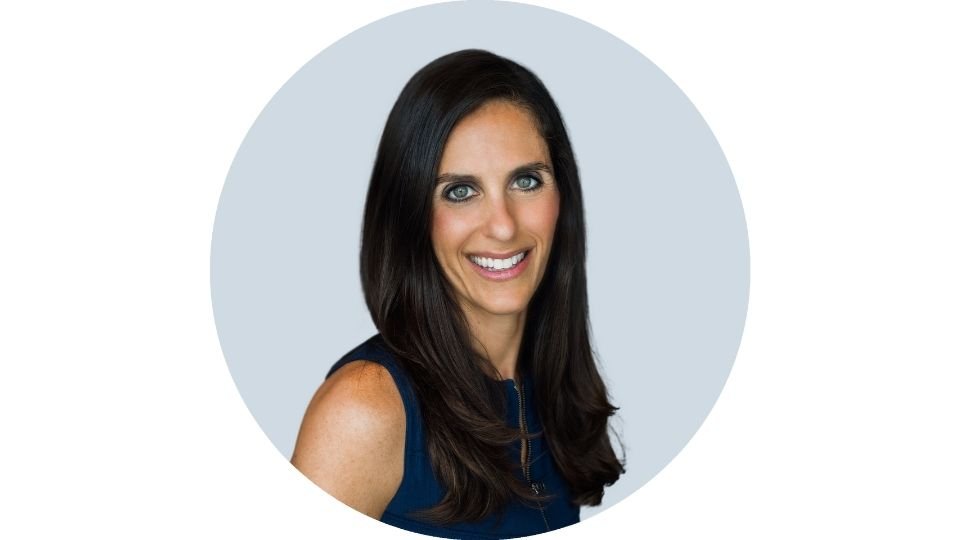
Allison Geller, M.A., CCC-SLP, is a communication coach, speech-language pathologist, and founder of Connected Speech Pathology, an international online practice providing professional communication coaching and speech therapy for children, teens, and adults. With more than two decades of experience, she has worked in medical and educational settings and published research on aphasia. Today, she leads a team of specialists who help clients improve their skills in public speaking, vocal presence, accent clarity, articulation, language, fluency, and interpersonal communication.