Speech, Voice, and Cognitive Exercises for Parkinson’s Disease

Parkinson’s disease can affect how a person moves, speaks, and thinks. Many people notice unclear speech, softer voice volume, or slower thinking, which makes communication more challenging. Changes in speech and cognitive processing can lead to frustration and reduced confidence during conversations.
Speech, voice, and cognitive exercises for Parkinson’s disease support clearer speech, stronger voice control, and improved quality of life. This guide explains practical strategies that support speech, voice, and cognition at every stage of Parkinson’s disease.
Key Takeaways
Speech, voice, and cognitive exercises for Parkinson’s disease strengthen muscles involved in speech and support clear communication. Daily practice helps maintain normal volume and improve articulation.
Evidence-based programs such as LSVT LOUD and SPEAK OUT! improve loud voice production and communication skills. These structured programs support better pronunciation and stronger breath support.
Cognitive exercises help manage cognitive changes linked to Parkinson’s disease. These exercises improve attention, memory, and problem-solving skills used in conversations.
Working with a speech-language pathologist supports long-term success. Personalized speech therapy services address speech, cognition, voice, and swallowing abilities.
How Parkinson’s Speech Affects Communication
Benefits of Speech, Voice, and Cognitive Exercises
Evidence-Based Speech Therapy Programs for Parkinson’s Disease
Compensatory Strategies To Improve Communication
Frequently Asked Questions About Parkinson’s Speech and Communication
How Parkinson’s Speech Affects Communication

Parkinson’s disease is a neurodegenerative disorder that affects movement, speech, and cognition. Changes often develop gradually and become more noticeable over time. These changes can impact daily activities, making communication, coordination, and routine tasks more challenging.
Common Speech and Communication Changes
Speech in Parkinson’s disease can be quiet, slow, and mumbled. Reduced mouth movement and decreased coordination of the speech muscles can affect articulation, making words harder to understand.
Changes in breath support can also affect voice volume and overall speech clarity. Reduced airflow makes it harder to produce strong, steady sounds, which can alter the loudness of the voice.
Low volume and imprecise articulation are often more noticeable in environments with background noise. The person with Parkinson's disease may be asked to repeat themselves often, which can become frustrating over time and impact confidence in social situations.
Cognitive Changes and Communication
Cognitive changes affect attention, memory, and processing speed. Many people notice slower thinking and have difficulty finding the right words during conversations.
Cognitive challenges can make it harder to maintain attention and understand longer, more complex conversations. This is due to difficulty maintaining focus or forgetting important details during conversation.
Benefits of Speech, Voice, and Cognitive Exercises

Speech, voice, and cognitive exercises for Parkinson’s disease have been shown to improve communication and support clearer speech. Targeted speech exercises strengthen the muscles involved in speaking, leading to improved articulation and clarity.
Consistent practice can also enhance breath support, vocal strength, and volume. Strong breath support allows for louder, more stable speech and helps maintain a consistent speaking volume.
Speech exercises may also support swallowing function. Strengthening the muscles used for speech can help reduce swallowing difficulties that often develop as Parkinson’s disease progresses.
Cognitive exercises target memory, attention, and organization skills. Strengthening these areas can help people respond more efficiently during conversations, supporting clearer communication and overall quality of life.
Because these changes are so common, structured therapy programs have been developed specifically for individuals with Parkinson’s disease. These approaches focus on improving voice, speech clarity, and overall communication through targeted, evidence-based techniques.
Evidence-Based Speech Therapy Programs for Parkinson’s Disease
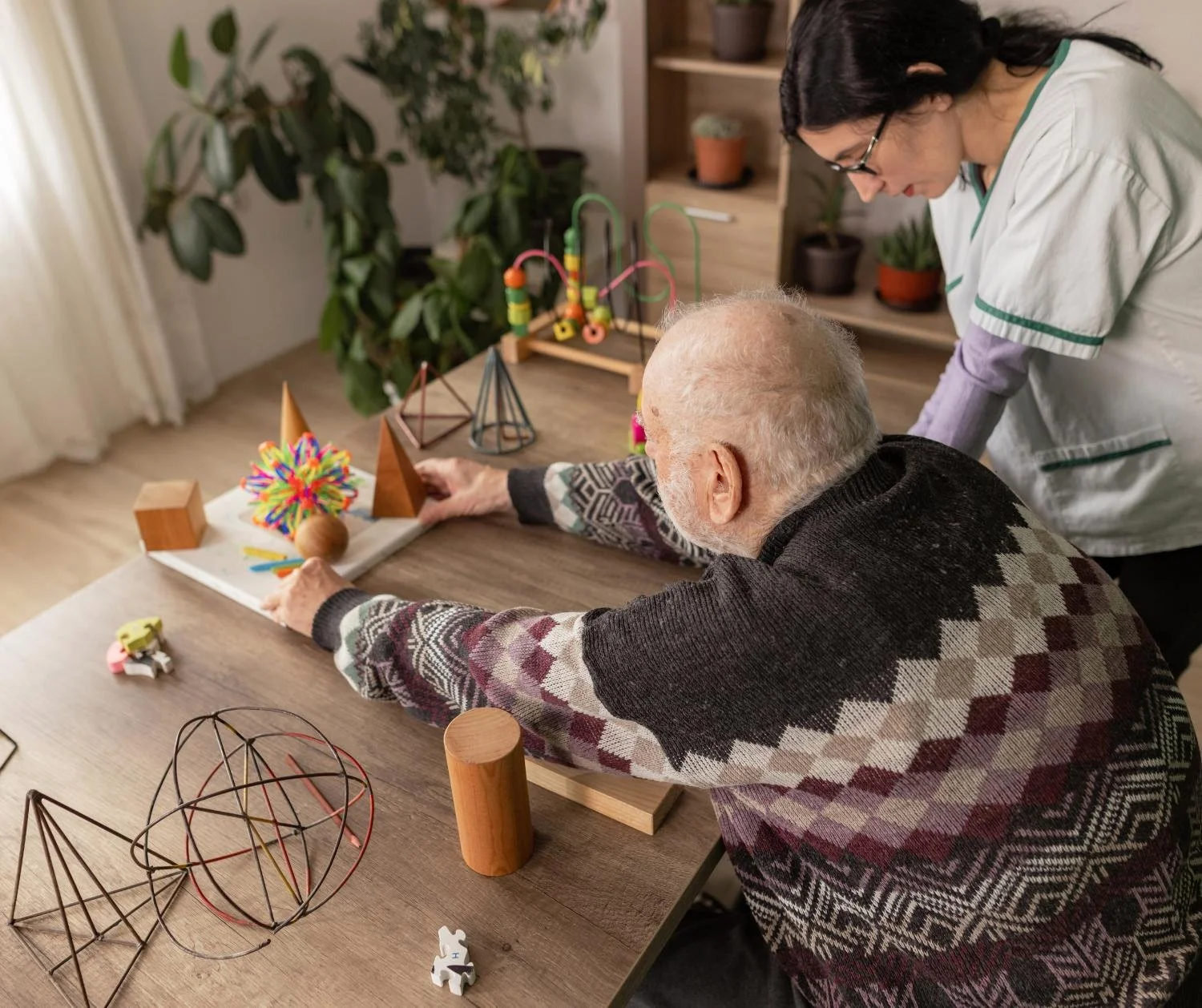
LSVT LOUD and SPEAK OUT! are two of the most widely used programs designed to improve vocal loudness, speech clarity, and overall communication by targeting the specific speech and voice changes associated with Parkinson’s disease.
Both are evidence-based speech therapy programs that focus on increasing vocal intensity, improving articulation, and supporting more consistent, intentional speech. While the primary focus is voice, these programs often lead to secondary benefits in swallowing, cognition, and overall communication effectiveness.
Program Structure and Frequency
LSVT LOUD is typically delivered over four weeks, with sessions four times per week and daily home practice. SPEAK OUT! is typically delivered over four weeks, with sessions three times per week, followed by ongoing group maintenance sessions (often called “LOUD Crowd”) to support long-term carryover.
Pitch Glides, Sustained Vowels, and Breathing
Sessions in both programs include targeted exercises such as sustained vowel phonation, pitch glides, and controlled breathing tasks. These exercises are designed to strengthen the muscles used for speech, improve vocal fold closure, and increase breath support for stronger, more stable voice production.
Pitch glides help maintain vocal flexibility and range, while sustained vowels build consistency and control of vocal intensity. Breathing exercises support better coordination between breath and voice, which is essential for maintaining volume and clarity during longer phrases.
Reading Aloud and Functional Speech Practice
Reading aloud is a key component of both LSVT LOUD and SPEAK OUT! programs. It provides structured practice for maintaining a louder, clearer voice while focusing on pacing, articulation, and expression.
These programs also incorporate functional speech tasks such as word repetition, phrases, and conversational practice. This helps bridge the gap between exercises and real-life communication, making it easier to carry over improved voice and speech skills into daily interactions.
Repetition, Consistency, and Carryover
Repetition and consistency are key components of both programs. Practicing these exercises regularly helps retrain the brain and body to use a louder, clearer voice automatically in everyday situations. Over time, this carryover supports improved communication in real-life environments, including conversations in noise, group settings, and daily interactions.

Speech Therapy for Parkinson's Disease
Check out our blog about speech therapy for Parkinson's Disease for more information!
Compensatory Strategies To Improve Communication

Communication strategies can improve clarity and reduce frustration in everyday interactions. Small, intentional adjustments often make a meaningful difference in how easily someone is understood and how confident they feel when speaking.
Speaking in Quiet Environments
Reducing background noise can significantly improve both speech clarity and listening. Quiet environments make it easier to maintain a steady volume and for others to understand speech without needing frequent repetition.
Face-to-face communication also plays an important role. Visual cues such as lip movements and facial expressions help listeners better interpret speech, improving overall understanding.
Choosing calmer settings can support stronger, more consistent voice production, especially in situations where background noise would otherwise make communication more difficult.
Using Voice Amplifiers
Voice amplifiers can help increase volume in larger rooms or group settings where speaking loudly is more challenging. These devices make it easier to be heard without straining.
They can also reduce physical effort during longer conversations, helping maintain vocal quality and comfort. Many people find that using an amplifier allows them to participate more fully in social and group environments.
Supporting Communication with Family
Support from family members can make a significant difference in communication success and consistency with practice. Encouragement to use strategies and complete exercises helps reinforce progress over time.
Family members can also support communication by allowing extra time to respond, maintaining eye contact, and reducing interruptions. These adjustments create a more supportive environment and reduce frustration.
Ongoing encouragement and understanding help maintain motivation, which is key for long-term improvement and confidence in communication.
Frequently Asked Questions About Parkinson’s Speech and Communication

1. What are the best speech exercises for Parkinson’s disease?
The most effective speech exercises depend on the individual. Each person with Parkinson’s experiences different speech and communication challenges, so exercises should be tailored to their specific needs. Common approaches include working on vocal loudness, breath support, articulation, and pacing. A speech-language pathologist can identify the most appropriate exercises and create a personalized plan to support clear, effective communication.
2. How often should speech, voice, and cognitive exercises be practiced?
Daily practice is recommended for the best results. Consistent practice helps maintain speech skills, improve vocal strength, and support clearer communication over time. Many structured programs include multiple short practice sessions throughout the day to reinforce progress and support carryover into everyday situations.
3. Can speech therapy improve unclear speech in Parkinson’s disease?
Speech therapy can improve unclear speech by targeting articulation, vocal strength, and breath support. A speech-language pathologist evaluates communication skills and develops a personalized treatment plan with targeted exercises. Over time, many people experience improved clarity, increased confidence, and less frustration during conversations.
4. Do cognitive exercises help with thinking problems in Parkinson’s disease?
Cognitive exercises can support memory, attention, and organization skills. Strengthening these areas helps improve processing speed and response time during conversations. Activities such as word retrieval tasks, categorization, and structured thinking exercises can support clearer communication and greater independence in daily life.
How Connected Speech Pathology Can Help

At Connected Speech Pathology, we provide online speech therapy designed to support speech, voice, and cognitive changes associated with Parkinson’s disease. Our speech-language pathologists create personalized programs to improve communication, clarity, and overall confidence. We focus on helping clients develop more natural speech, stronger articulation, and better breath support through consistent, practical, and real-life focused practice.
We provide evidence-based speech therapy programs, including LSVT LOUD and other targeted communication strategies. Our speech-language pathologists use visual feedback tools such as sound level meters to support progress and motivation. We address speech clarity, voice strength, swallowing abilities, and cognitive changes during sessions.
Our online speech therapy services make support accessible from home. We work closely with each patient and family to build communication strategies that support daily life and long-term success. Our goal is to improve the quality of communication and support confidence at every stage of Parkinson’s disease.
Summary
Speech, voice, and cognitive exercises for Parkinson’s disease support clearer speech, a stronger voice, and improved cognition. Daily practice strengthens muscles involved in speech and supports better communication in daily life. With exercises and supportive strategies, many people maintain strong communication skills and improved confidence.

About the Author
Allison Geller is a communication coach, speech-language pathologist, and founder of Connected Speech Pathology, an international online practice providing professional communication coaching and speech therapy for children, teens, and adults. With more than two decades of experience, she has worked in medical and educational settings, published research on aphasia, and leads a team of specialists helping clients improve skills in public speaking, vocal presence, accent clarity, articulation, language, fluency, and interpersonal communication.