An acting audition coach is a private coach who helps you prepare for a specific audition. Coaching can begin with your first read of the script or focus on a scene you've already practiced. The coach helps you decide how to play the character, deliver your lines, and adjust your performance when given new direction.
Actors often have only a few days to prepare for an audition, with limited chances to show what they can do. A coach can rehearse scenes with you and give you honest feedback before your audition. Practicing with a coach can help you feel more prepared before you record a self-tape or audition in person.
In this article, you'll learn what happens in an audition coaching session, which auditions a coach can help with, when a coach is worth the cost, and how to choose the right one. This article is for actors preparing for self-tapes, callbacks, college auditions, or drama school auditions.
Key Takeaways
What a coach does: An acting audition coach helps you prepare for an upcoming audition. The coach reviews the script with you, gives feedback on your acting choices and delivery, and helps you practice adjusting your performance when given new direction.
Which auditions: Depending on the coach, coaching can cover cold reads, callbacks, college auditions, voiceover auditions, and self-tapes, including help with camera setup, lighting, and sound.
When it's worth it: A coach can help when you're preparing for callbacks, recurring TV roles, or drama school auditions. Ongoing acting classes build general skills.
How to choose: Look for a coach with experience in your kind of audition and a style that is supportive but challenging. Be wary of anyone who promises you'll book the role.
What Is an Acting Audition Coach?
What Happens in Audition Coaching Sessions?
Which Auditions Can an Audition Coach Help With?
Do You Need an Audition Coach or Acting Classes?
How Do You Choose the Right Audition Coach?
What We See Working with Clients
What Is an Acting Audition Coach?
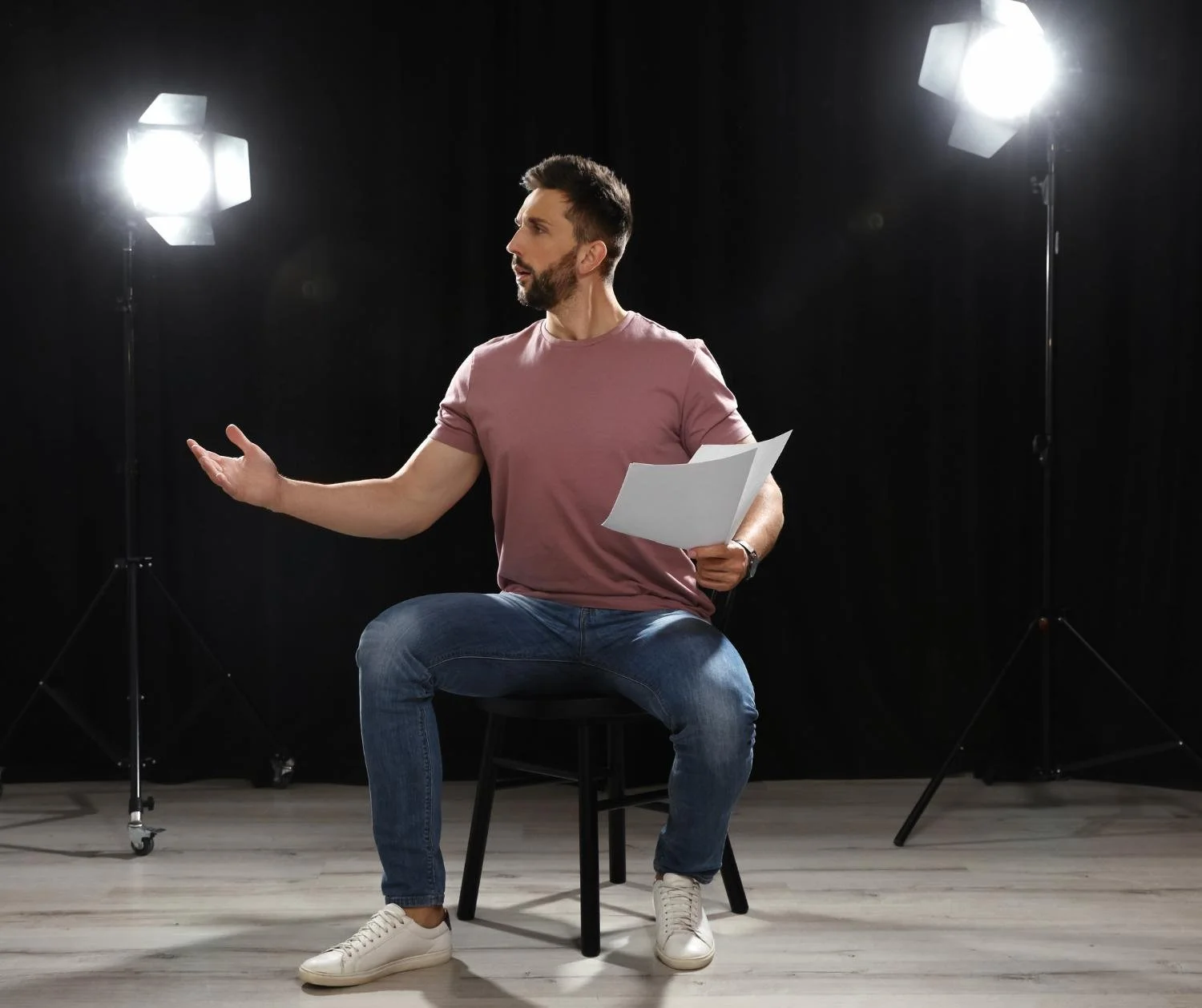
An acting audition coach helps you prepare for an audition or a role in a performance. In private, one-on-one sessions, you work on understanding the script, deciding how to play your character, and practicing your delivery. The goal is to help you feel confident and ready to perform, even when you're nervous or asked to try something different.
Audition coaching focuses on the script or scene you're preparing for an upcoming audition. Acting classes build general acting skills over weeks or months through exercises and scene study, often at a studio or a university. Many actors use both, sometimes with the same person if their acting coach also teaches classes.
Coaches come from different backgrounds. Some are working actors or acting teachers with years of teaching experience, and some have worked in casting. Others focus on voice and speech training, which they use when coaching actors for theatre, musical theatre, Broadway, and voiceover work.
What Happens in Audition Coaching Sessions?
Audition coaching sessions often start with the script, then move into practice and feedback. You discuss the character, rehearse the scene, and try different ways of performing it. A good coaching session includes both practice and discussion of your choices.
Script analysis: You and the coach read the sides, which are the pages of the script you were sent, and work out who your character is talking to, what they want, and what they leave unsaid. Coaches call that unspoken layer the subtext, meaning what a character thinks or feels but doesn't say. Understanding it helps you decide how to deliver your lines.
Specific choices: The coach helps you decide how your character feels about the other person and what changes during the scene. These choices guide how your character acts and reacts, so the casting team clearly understands your interpretation.
Running the scene: You perform the scene while the coach reads the other lines, as a reader would in the audition room or for a self-tape. The coach watches your pace, where you look, and whether your acting shows the character's feelings and intentions.
Notes and adjustments: The coach gives you specific notes and asks you to try the scene in a new way, even if it pushes you outside your comfort zone. A casting director can ask you to perform a scene differently, so practicing these changes helps you respond to new direction.
A plan for audition day: Sessions often end with a warm-up plan, a way to handle nerves, and, for a self-tape, notes on your setup.
Practice with a coach can make audition nerves easier to manage because you've rehearsed the scene and tried applying the coach's feedback. Many actors book one private coaching session for a single audition, and some keep working with the same acting coach from one job to the next to keep their skills fresh.
Which Auditions Can an Audition Coach Help With?

An audition coach can help with almost any audition format, but each one asks for different preparation. A coach who knows your medium, such as feature films, TV, theatre, commercials, or voiceover, can focus coaching on what that format needs.
| Audition type | What is different about it | What a coach works on |
|---|---|---|
| Self-tape audition | You record your performance and send it to casting | Your performance, plus lighting, framing, sound, and reading the other lines |
| Cold read | A scene with little or no time to prepare | Understanding the scene and deciding what your character wants |
| In-person audition or callback | You perform for the casting team, and a callback can add the director or producers | Your slate and responding to new direction |
| College or drama school audition | Prepared monologues, plus songs and often a dance audition for musical theater programs | Choosing contrasting monologues that show your range and responding to feedback |
| Voiceover audition | Recorded, so casting listens to your acting choices and recording quality | Reading a commercial or character script with clear intent, plus microphone technique |
| Connected Speech Pathology | connectedspeechpathology.com | ||
Self-Tape Auditions
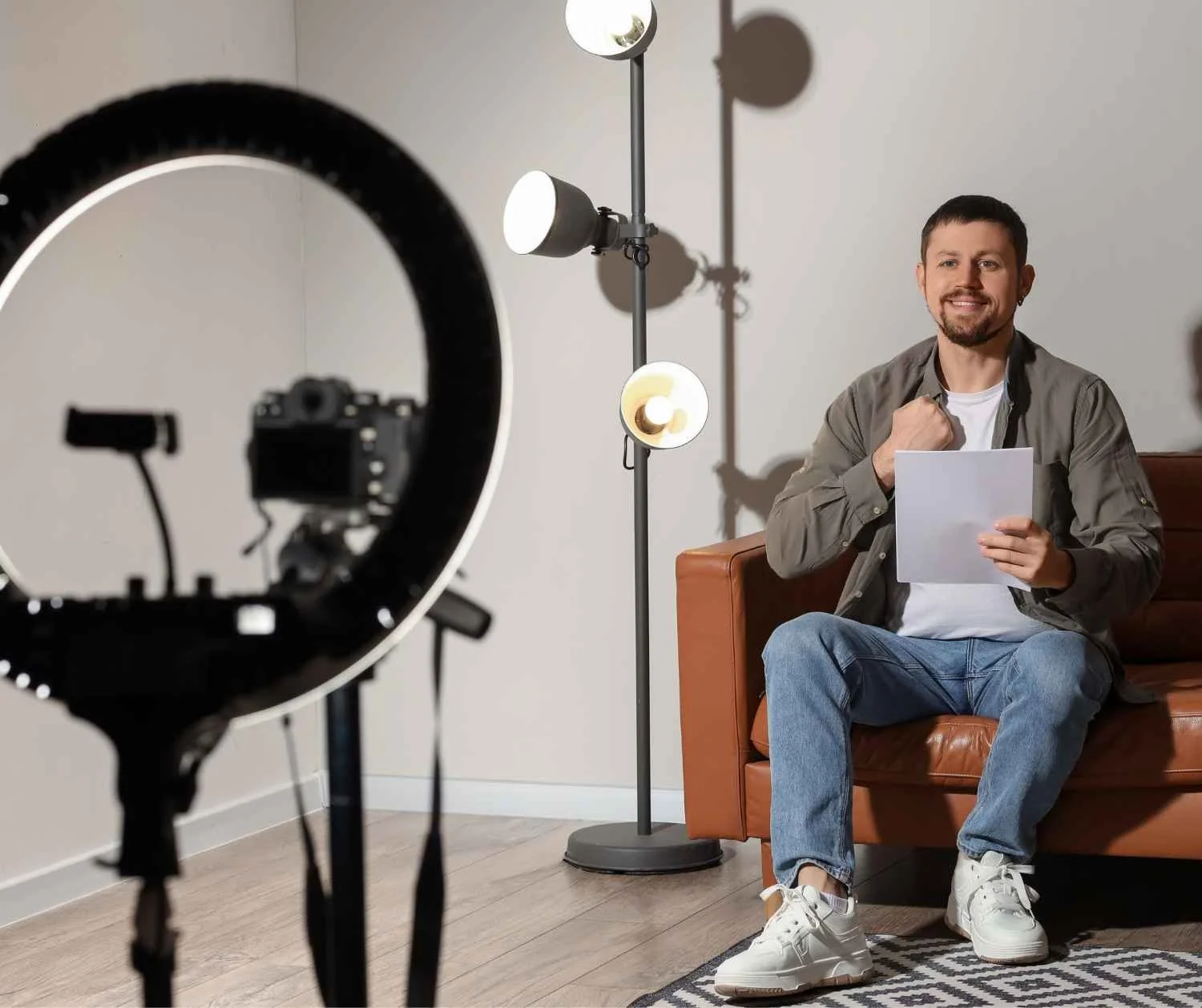
For self-tape auditions, you record your performance and send it to casting. Good lighting, framing, and sound help casting see and hear your acting clearly. A coach can help with the setup and the performance itself.
If your scene includes another character's lines, an acting coach or friend can read them with you. The reader should respond naturally without drawing attention away from your performance.
Cold Reads
A cold read means performing a scene you've had little or no time to prepare. Acting coaches practice cold reading with you by giving you a new script and a few minutes to prepare. You work on understanding the material and deciding what your character wants.
Auditions and Callbacks in the Audition Room
At an in-person audition, you walk in and perform for the casting team, and at a callback, you may also audition for the director or producers. A coach can help you practice your slate, a brief introduction with the details casting asks for. You also practice taking a redirect, when casting asks you to play the scene differently.
College Auditions, BFA Acting Programs, and Drama School
College auditions for BFA acting programs, which lead to a Bachelor of Fine Arts degree, usually require prepared monologues. Musical theater programs also ask students to prepare songs and often include a dance audition. A college audition coach helps high school students choose contrasting monologues that show their range and helps them practice responding to feedback.
High school students often start the college audition process well before application deadlines because performing arts schools and university theatre departments across the country each set their own requirements. A coach can help students keep track of what each school asks for. Adults applying to graduate acting programs prepare similarly.
Voiceover Auditions
Voiceover auditions are usually recorded, so casting listens to your acting choices, delivery, pacing, and recording quality. A voice acting coach can help you read a commercial or character script with clear intent.
Voice over coaching can also cover microphone technique and ways to maintain a consistent performance during long recording sessions.

Voice Acting Lessons Online
A guide to learning voice acting online, from what lessons teach to how to choose a voice acting coach.
Do You Need an Audition Coach or Acting Classes?
An audition coach can be worth paying for when you want feedback on your performance before an important audition. Actors can benefit from coaching for callbacks, guest star roles, recurring parts, series regular roles, and college or drama school auditions. You can skip coaching for smaller auditions when you already feel confident in your preparation.
If you're new to acting, scene study or regular acting classes are a good way to build your skills. Private coaching can help when a specific role comes up. If you're building a career in film, TV, or theatre, acting classes can build your skills, while coaching offers focused practice before important auditions.
How Do You Choose the Right Audition Coach?

The right coach knows your audition type and gives you honest feedback you can use. Before you book, check these points:
Experience in your medium: A college audition coach and a TV audition coach focus on different things, so match the coach to the audition. A coach with casting experience can also share insight into casting decisions during the audition process and the business side of the entertainment industry.
Teaching style: A good acting coach creates a safe space to try new approaches, encourages creative risks, and respects your ideas. You should get clear feedback about what's working and what you can improve.
Background and past students: Check the coach's education, training, and past acting or teaching work, and read reviews from former students.
A first meeting before you commit: Some coaches let you sit in on a class or book a short consultation first, which helps you judge whether their style fits you.
Questions to ask: Ask whether the coach has worked on your kind of audition, how soon they can meet, and whether you get written notes or a recording of your run-through.
Red flags: Be careful with any coach who promises you'll book your dream role or pressures you into an expensive package before you've worked together.
Referrals from other actors who have worked with an acting coach are a good place to start.
What We See Working with Clients
We work with actors and other performers who want to prepare for auditions and strengthen their voice and delivery. The examples below show how our coaches help clients prepare for different types of auditions.
One client, a stage actor in her thirties, was preparing a self-tape for a guest role on a TV drama. Most of her experience was in theatre, and she felt her expressions and movements looked exaggerated on camera.
We worked on understanding her character's intentions, adjusting her expressions and movements for the camera, and using changes in tone, pacing, and emphasis to make her delivery feel more natural. We also practiced different interpretations of the scene and responding to direction so she could feel more comfortable making adjustments.
Another client, a man in his forties returning to acting, was preparing for a drama school audition that required two contrasting monologues. He knew his lines but rushed when he was nervous and worried about being asked to perform a monologue differently.
We worked on exploring his characters' motivations, identifying important moments in each monologue, and adjusting his pacing, pauses, and vocal expression. We also practiced performing the material in different ways so he could respond to feedback while staying connected to his character.
Frequently Asked Questions About Audition Coaching

1. How much does an audition coach cost?
Audition coaching prices vary with the coach's experience and session length. Some coaches charge by the hour, and others offer packages. Ask what is included, such as written notes or a recorded run-through, before you book.
2. How far before an audition should I see a coach?
See a coach soon after you receive the audition material. Seeing a coach early gives you time to practice the feedback before you record a self-tape or attend an in-person audition. A last-minute session can still help you check your choices, but you have less time to use the feedback.
3. Can audition coaching work online?
Yes, audition coaching works online for many actors. Online sessions work well for self-tapes because you can practice with the camera, lighting, and sound you'll use for your audition. The right format depends on the person and the audition, and a scene with a lot of movement can be harder to coach through a screen.
4. What is the difference between an acting coach and an acting teacher?
An acting coach often works one-on-one with you on roles or auditions. An acting teacher helps students build general skills, often in a group class focused on voice, movement, or scene work. Many actors work with both.
5. Can an audition coach promise I'll book the role?
No, a coach can't promise that you'll book a role. Casting decisions depend on many things outside your control, such as how you fit with the rest of the cast. A coach can help you build confidence and prepare for the audition itself.
How Connected Speech Pathology Can Help

Connected Speech Pathology helps actors, voice actors, and other performers prepare for auditions in live online sessions. Through our voice and performance coaching, you can work on script reading, character choices, and vocal delivery. You can also practice self-tapes with the camera and microphone you use at home.
Our team includes a coach with a professional background in acting, dialect coaching, and film, television, and theater, so voice actors can work with someone who understands performance from the inside. Our experience helps performers work on projection, clear speech, and vocal control during auditions and recording sessions.
At Connected Speech Pathology, coaching starts with a review of your tone, vocal range, and delivery. You can use an upcoming audition as practice material. The goal is to help you develop skills you can carry forward into future auditions.
Summary
An acting audition coach helps you prepare for a specific audition. You work through the script, make clear choices, and practice the changes casting teams often ask for. Coaching can help with self-tapes, cold reads, callbacks, and college auditions, especially when you want honest feedback first.

About the Author
Allison Geller, M.A., CCC-SLP, is a communication coach, speech-language pathologist, and founder of Connected Speech Pathology, an international online practice providing professional communication coaching and speech therapy for children, teens, and adults. With more than two decades of experience, she has worked in medical and educational settings and published research on aphasia. Today, she leads a team of specialists who help clients improve their skills in public speaking, vocal presence, accent clarity, articulation, language, fluency, and interpersonal communication.