What Are Social Pragmatic Communication Skills? Examples, Signs, and How They Develop
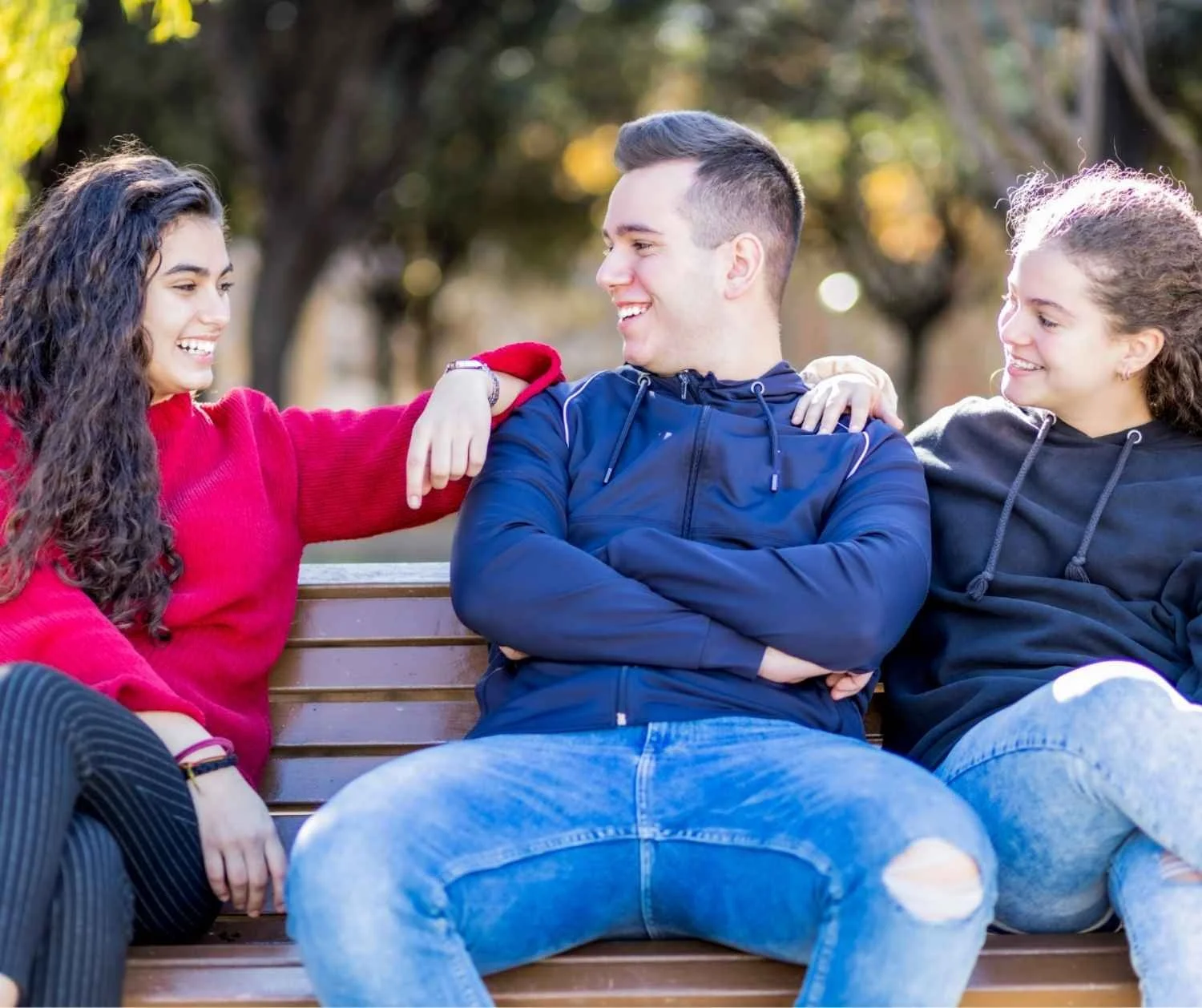
Pragmatic communication skills are the social side of language. They're how you decide what to say, how to phrase it, and when to speak, so your words fit the situation.
Many people pick up these skills through everyday social interactions, without anyone explaining the unspoken rules. For some children and adults, those rules never feel obvious.
In this article, you'll learn what pragmatic communication skills include, how they develop by age, what pragmatic difficulties look like, what causes them, how they are assessed, and how speech therapy and communication coaching help. This article is for any parent, teen, or adult who has been told to "look into pragmatic language" and wants to know what that means for friendships, school, and work.
Key Takeaways
Pragmatic communication skills: the social use of language, meaning what you say, how you say it, and how you adjust it for the listener.
Development: pragmatic language skills start in infancy, grow quickly between about two and a half and four years of age, and continue to develop into adulthood.
Difficulties: trouble taking turns, missing sarcasm, going off topic, or sounding blunt can show up in children, teens, and adults.
Help: a speech-language pathologist can assess social communication skills and provide speech therapy, and adults with professional goals can also choose communication coaching.
What Are Pragmatic Communication Skills?
Pragmatic Language Development by Age
Signs of Pragmatic Language Difficulties in Children and Adults
Why Do Pragmatic Language Difficulties Occur?
How Speech Therapy and Communication Coaching Improve Pragmatic Skills
What We See Working with Clients
Frequently Asked Questions About Pragmatic Communication Skills
What Are Pragmatic Communication Skills?
Pragmatic communication skills are the ability to follow the unspoken social rules people use when they talk together. The American Speech-Language-Hearing Association describes three major skills.
One is using language for different purposes, such as greeting, asking, and commenting. Another is changing your language for the listener and the social context you are in. The third is following the rules of conversation, such as turn-taking and staying on topic.
These skills have a verbal part, such as knowing how much to say, and a nonverbal part. Nonverbal communication includes facial expressions, body language, tone of voice, and personal space. These cues can also affect how others understand you in social interactions.
Pragmatics is about how language is used socially, not vocabulary size, so even children with strong language skills can talk over classmates. Pragmatic language use is also not the same as personality or empathy. A capable, caring person can still find some social situations hard.
What Is Pragmatic Speech, and Is It the Same as Pragmatic Language?
The term “pragmatic speech” is often used interchangeably with “pragmatic language,” and both refer to how someone uses language in social situations. “Pragmatic language” makes clear that these skills involve understanding other people as well as speaking.
Pragmatic Language Development by Age
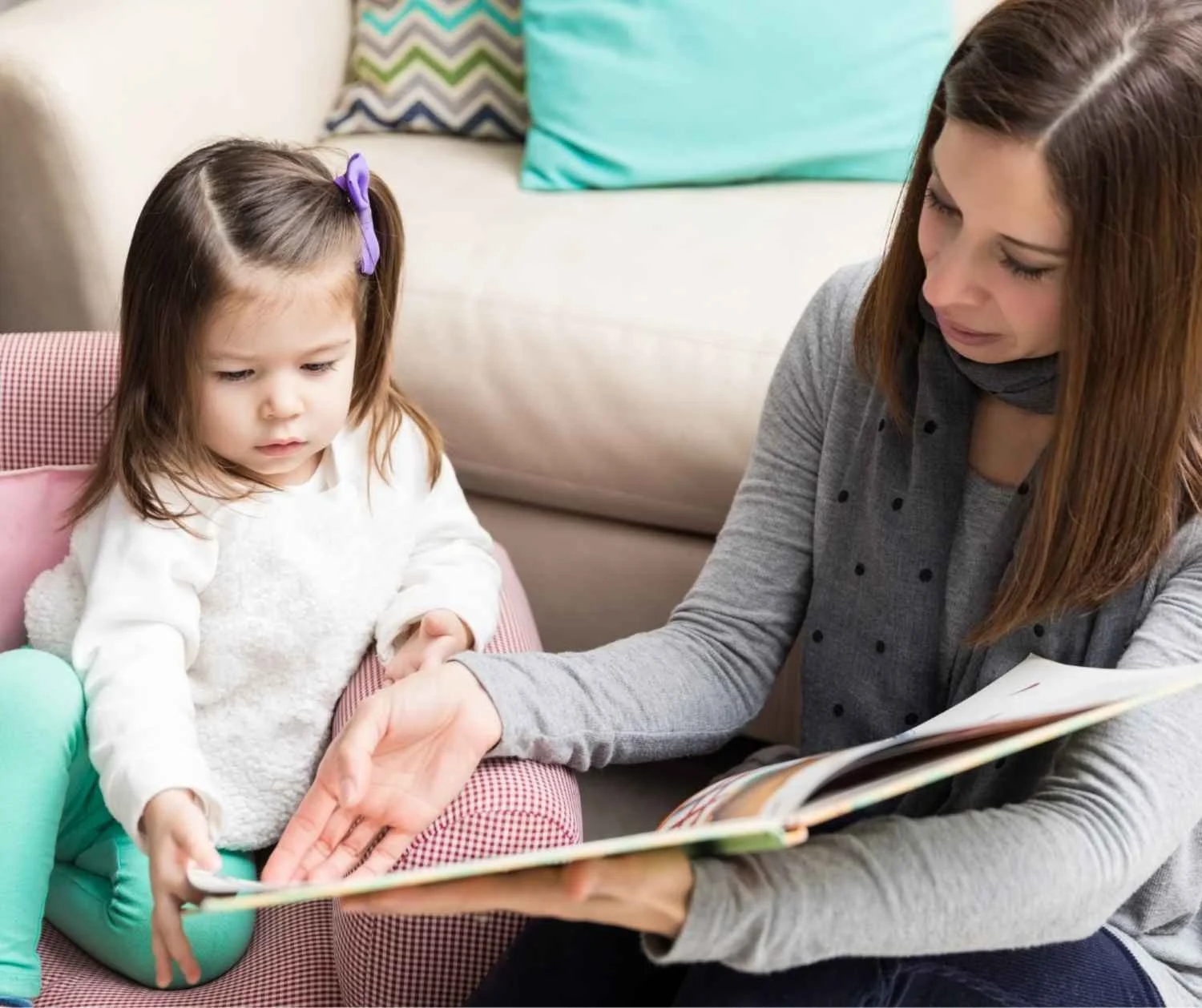
Pragmatic language development starts long before a child's first word. Babies look where you look and take turns in games, such as peek-a-boo.
| Age | What you typically see | Worth a closer look if |
|---|---|---|
| Birth to 18 months | Looks where you look, takes turns in peek-a-boo, points to show you things, and uses gestures before words | Rarely looks at faces, does not point or show, or does not respond to their name |
| From 18 months to 3 years | Greets people, asks for things with words, answers simple questions, and starts short back-and-forth exchanges | Talks mostly to themselves, does not answer questions, or ignores other children |
| Ages 3 to 5 | Takes turns in conversation, talks differently to a baby than to a grown-up, tells simple stories, and starts to get jokes | Talks at length without noticing the listener, cannot stay on topic, or takes everything literally |
| Ages 6 to 12 | Stays on topic, fixes a misunderstanding by rephrasing, reads facial expressions and tone, and keeps friendships going | Interrupts often, misses sarcasm, struggles to join a group, or has trouble keeping friends |
| Teens and adults | Reads the mood of a group, handles indirect requests and small talk, and changes style between friends, teachers, and managers | Sounds blunt, over-explains, misreads a neutral tone, or avoids social situations |
| Connected Speech Pathology | connectedspeechpathology.com | ||
Many pragmatic language skills grow quickly between about two and a half and four years of age, when children start taking turns in conversation and changing how they talk depending on who they are talking to. Children learn pragmatics through repeated practice with parents, other children, and teachers.
Even at age 6, pragmatic abilities are still developing. An occasional interruption or missed cue is typical, but a consistent pattern that interferes with friendships or school is worth discussing with a speech-language pathologist. Teens face more complex language and more demanding social expectations, so mild differences often stand out.
Children with hearing loss tend to gain pragmatic skills more slowly than their peers, partly because they miss the conversations around them. Research suggests that by age 7, some have pragmatic abilities closer to those of a 3-year-old. Early intervention with a speech-language pathologist can include strategies to increase the child's face-to-face conversation.
Signs of Pragmatic Language Difficulties in Children and Adults

A pragmatic language difficulty means someone has trouble using or understanding language in social situations, even when vocabulary and grammar are strong. One missed cue or interruption does not necessarily signal a problem.
A speech-language pathologist looks for a pattern across different people, settings, and situations.
Signs in Children
In children, pragmatic challenges tend to show up during play, at school, and in conversations with adults. Parents and teachers are usually the ones who notice.
Talking at length about one topic without checking whether the listener has lost interest.
Interrupting or not answering when someone asks a question.
Taking jokes, sarcasm, and humor literally.
Standing too close, or rarely using nonverbal cues, such as eye contact, gestures, or facial expressions.
Trouble joining a game other children have already started, and trouble keeping friends.
Signs in Teens and Adults
In teens and adults, the same characteristics are more likely to be seen as social or workplace challenges than as a language problem.
Giving far too much detail, or only a limited, one-word answer.
Missing hints, indirect feedback, and the point of small talk.
Interrupting in meetings without realizing it, or not knowing when to speak up.
Reading a neutral tone as anger, or missing that someone was joking.
Straining to keep up in social interactions, then feeling drained.
Why Do Pragmatic Language Difficulties Occur?

Pragmatic language difficulties can occur on their own or alongside communication disorders and other conditions. Trouble with these skills does not by itself mean autism.
Autism spectrum disorder involves differences in social communication. Autistic adults and children often read social cues and take turns differently. Those differences are part of how they communicate.
Social pragmatic communication disorder is a persistent difficulty using verbal and nonverbal communication in social situations. It is diagnosed when the difficulties cannot be better explained by another condition. The difference between social pragmatic communication disorder and autism is that autism also includes repetitive patterns in behavior, interests, or activities.
ADHD can also affect social communication. In adults, the communication difficulties that come with ADHD often look like interrupting before someone has finished. Losing the thread and jumping between topics is another pattern, and either one can strain social interactions.
A developmental language disorder, meaning trouble with vocabulary and grammar themselves, can also affect pragmatics. Research suggests the pragmatic difficulties in autism tend to be greater than in a language disorder alone.
A stroke or brain injury can change how an adult reads tone and stays on topic. Anxiety can also make it harder to engage in conversation.
Cultural and linguistic background shapes social rules as well. How much eye contact is polite and how directly people disagree vary between communities. Someone raised with different norms can be misread at work, but a different style is not a disorder.
A sudden change in an adult's social communication can signal a stroke or another medical problem and should be evaluated right away. If the change is sudden, especially if there is facial drooping, weakness on one side, or slurred speech, call 911. A speech-language pathologist can then work alongside the doctor on the communication itself.

What is Social Communication Disorder?
Check out our blog on what social communication disorder is for more information!
How Speech Therapy and Communication Coaching Improve Pragmatic Skills

Speech therapy for pragmatic skills begins with an assessment, so the work focuses on the most challenging areas. A speech-language pathologist teaches specific strategies and gives the child or adult a chance to practice them with feedback.
The Assessment Comes First
Social communication skills are assessed by a speech-language pathologist who observes how someone uses language with others.
Parents can ask their child's school for a speech and language evaluation. They can also contact a speech-language pathologist to request a pragmatic language assessment. The assessment can include observation, conversation samples, and questionnaires from families and teachers.
For teens and adults, the assessment often includes conversations and questions about real situations at school, at work, or in relationships. The speech-language pathologist looks at the pattern of strengths and difficulties, sometimes called a pragmatic profile. Cultural and language background is an essential part of that picture too.
What the Sessions Involve
Speech therapy sessions for social skills can include activities like these:
Turn-taking games, so younger children practice waiting for their turn.
Role-playing a job interview, a disagreement, or a first conversation with other students.
Reviewing a real interaction on video and pausing to talk about the social cues.
Practicing active listening by focusing on the speaker.
Rephrasing a message when a listener looks confused.
Social Stories, which are short, structured stories that walk a child through a social situation.
Storytelling activities that help children organize and share their feelings and ideas.
Preparing key points ahead of an important meeting, then checking that people understand.
How quickly someone makes progress varies from person to person.
What We See Working with Clients
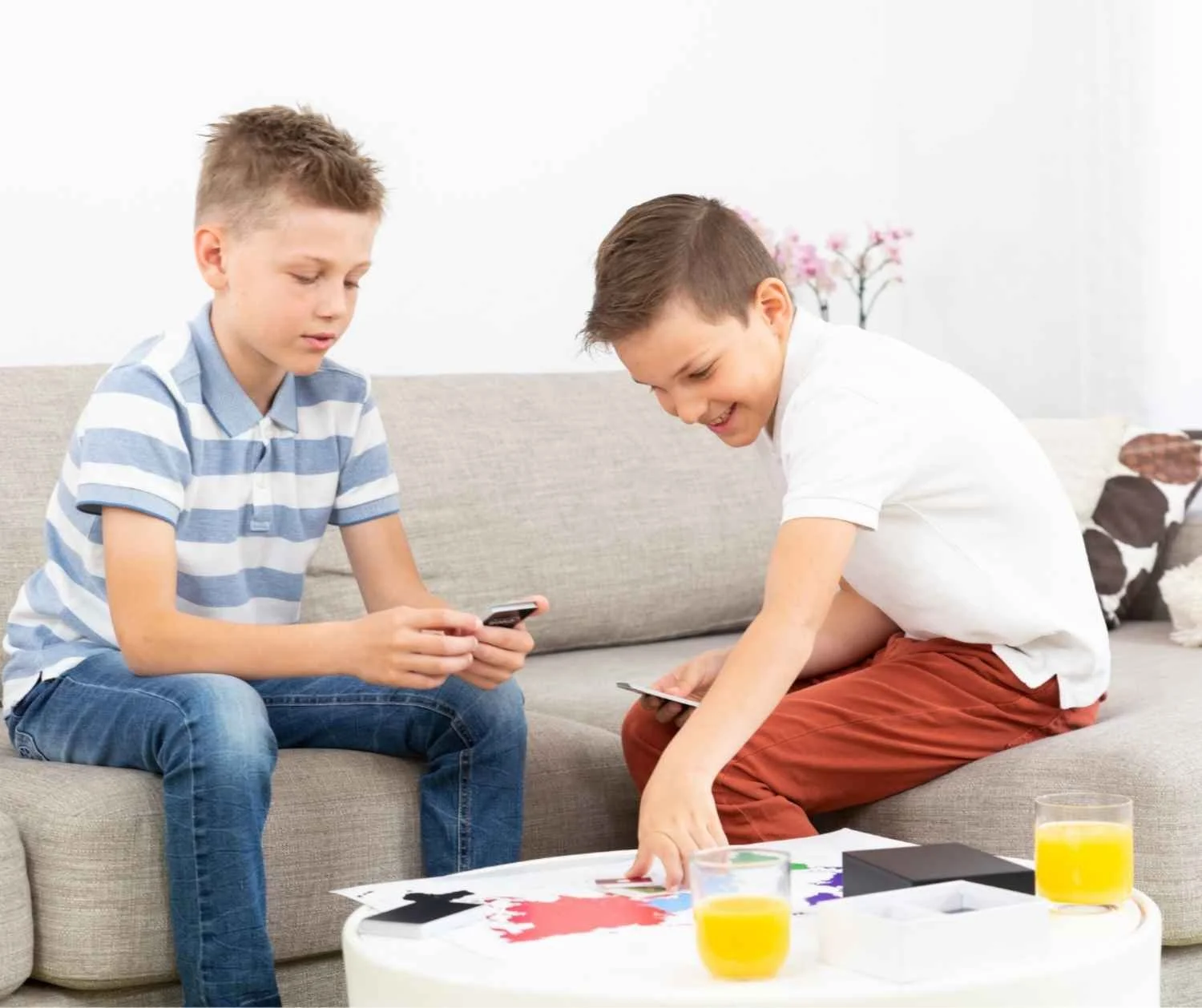
We work on pragmatic communication skills with children, teens, and adults. The examples below are based on real clients we have worked with. Identifying details have been changed to protect privacy.
One family reached out about their 6-year-old son after his teacher mentioned pragmatic language at a parent-teacher conference. He talked at length to classmates about trains, was rarely noticed when they walked away, and had started eating lunch alone.
During sessions, the speech-language pathologist played turn-taking games with him and used a picture card that showed who was speaking next. They practiced short greetings for joining a game, and his parents learned to ask him at dinner whether his listener was still interested.
Over several months, his parents reported that he was joining playground games without taking them over.
A software engineer in his 30s with ADHD came to us after a performance review said he "dominated meetings." He interrupted in daily stand-ups without realizing it, and he read a manager's neutral comment as criticism.
We recorded practice meetings and reviewed them together, pausing at each interruption to show him the cue he had missed. He practiced a pause-and-summarize strategy before responding, and he used role-playing to rehearse a review conversation before the real one.
Within a few months, he reported that meetings felt easier and that colleagues had commented on the change. He still catches himself interrupting, but now he notices it in the moment and repairs it.
Frequently Asked Questions About Pragmatic Communication Skills

1. What are examples of pragmatic communication skills?
Examples include taking turns, staying on topic, and adjusting your speech for the listener. They also include reading facial expressions, using eye contact, taking the listener's perspective, understanding sarcasm, and knowing how to greet someone.
2. What is a pragmatic language disorder?
Pragmatic language disorder is an informal term for lasting trouble with pragmatic language use. One specific diagnosis is social pragmatic communication disorder, though the difficulties can also occur with autism or after a brain injury. They can include trouble with conversation, indirect meaning, and adjusting language to different social contexts.
3. What are the signs of poor pragmatic language skills in adults?
Adults with pragmatic challenges may interrupt, over-explain, miss hints, or sound blunt. They may also struggle with small talk, indirect feedback, or shifting their communication style among friends, managers, and clients.
4. Does trouble with pragmatic language mean my child is autistic?
Pragmatic language difficulties do not, on their own, mean a child is autistic. It can occur with autism, ADHD, hearing loss, a language disorder, or anxiety, and it can also occur with none of these. A speech-language pathologist can look at your child's social communication skills and refer you for an autism evaluation if needed.
5. Can pragmatic communication skills improve in adults?
Adults can work on pragmatic communication skills too. Speech therapy and communication coaching help them practice specific strategies for conversations and work. How much someone improves varies from person to person.
6. Can parents work on pragmatic skills at home?
Parents can support pragmatic skills at home alongside professional sessions. A speech-language pathologist can suggest activities that fit the child, such as modeling turn-taking, naming feelings in a story, or talking through what happened at recess. The speech-language pathologist can also help parents choose the skills to practice and show them how to give useful feedback.
How Connected Speech Pathology Can Help

At Connected Speech Pathology, our licensed speech-language pathologists help children, teens, and adults build pragmatic communication skills for everyday life.
For children and teens, we offer online speech therapy for social communication, with parent involvement to help children use what they learn at home, at school, and with peers.
For adults, our social skills training helps autistic and neurodivergent adults manage conversations and social situations, while communication coaching focuses on workplace demands.
We respect each person's natural communication style. The goal is not to make you communicate like everyone else, but to give you strategies that make conversations and interactions easier and more effective in the situations that matter to you.
Summary
Pragmatic communication skills are the social use of language, meaning what you say, how you say it, and how you adjust it for the listener. Difficulties with these skills can occur with autism spectrum disorder, ADHD, hearing loss, and other conditions. A speech-language pathologist can assess these skills and help both children and adults work on them.
About the Author
Allison Geller, M.A., CCC-SLP, is a communication coach, speech-language pathologist, and founder of Connected Speech Pathology, an international online practice providing professional communication coaching and speech therapy for children, teens, and adults. With more than two decades of experience, she has worked in medical and educational settings and published research on aphasia. Today, she leads a team of specialists who help clients improve their skills in public speaking, vocal presence, accent clarity, articulation, language, fluency, and interpersonal communication.